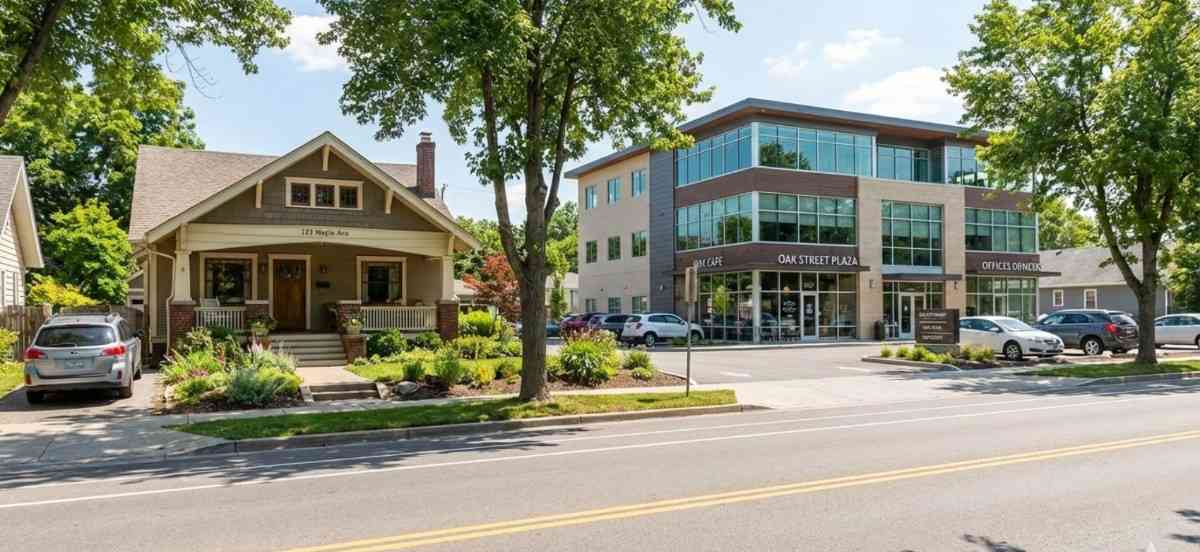
When you explore real estate properties, you may come across the two main types: residential and commercial. Talking about investments, many people wonder which one of them is a better choice. Will a commercial property or residential property give the best returns? Given the vastness of options, this thought can be overwhelming. Knowing the difference between residential and commercial property types can help. From usage and purpose or regulations and risks, several things set them apart.
Read on to learn how commercial and residential properties differ. Get insights to make an informed decision and realise your real estate goals, whether it is to buy, lease or invest.
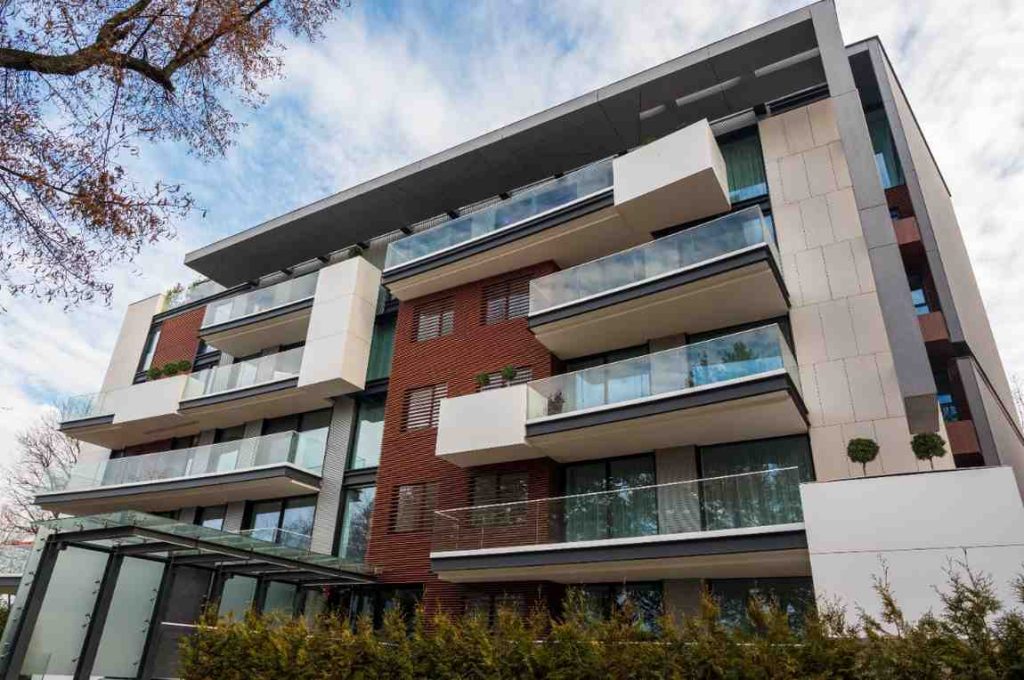
Both commercial and residential properties are real estate assets. But they differ in various ways, starting from their purpose. A residential property is meant for living. Whereas a commercial property is a space for businesses to operate. That’s not all! They differ in cost, income potential, risks, regulations and financing options. Knowing what is the difference between residential and commercial property can help buyers and investors make the right choice.
The key difference between residential and commercial construction is based on their purpose and usage.
Another key difference between residential and commercial property is in their rental potential. A residential property offers steady yet lower rental income. Tenants are typically individuals or families. Returns are predictable and stable but not very high. Rent amounts are usually fixed, and growth is slow.
On the other hand, commercial properties offer higher rental income. Tenants are usually brands and businesses that can pay more for strategic locations. However, the vacancy period can be longer, and risks can be higher when compared to a residential property. Lease value increases over time, especially in commercially developing zones.
The lease structure for a residential space is simple. It is usually short-term, typically 11 months or 1 year, with basic terms and conditions. But for a commercial space, the lease structure can be longer with more complex and elaborate terms. It may run for multiple years, say 3 to 10. Besides, it includes maintenance costs, rent escalation and usage rules. As such, commercial leases offer more security but less flexibility.
Houses and apartments have a lower investment cost compared to commercial properties. A property meant for commercial purposes may need a higher spend for setup, interiors and upkeep.
Financing is comparatively easier for residential properties than commercial spaces. Banks or other financing organisations offer loans for both kinds of properties. But the terms and interest rates vary.
The difference between residential and commercial property is evident in the risk and vacancy levels involved. Residential spaces have lower risks because rental demand is usually high. There are always people searching for a home to live in—migrants, jobseekers, small families, you name it! So, even if one tenant leaves, you are likely to find a new one soon.
However, that’s not the case with a commercial space. If one business moves out or closes down, the space can remain vacant for a longer time. Longer vacancy periods can considerably affect the rental income from commercial spaces. Additionally, the rental amount is higher and depends on business demand. Hence, the risk with commercial properties is higher.
Residential and commercial properties are bound by different legalities and regulations. Laws associated with residential spaces are simpler, focused on tenant rights and safety. Commercial buildings are bound by stricter rules linked to business use, zoning, fire safety and taxes. Moreover, the approval process and paperwork for commercial spaces is more. Legal checks are crucial for buying or leasing commercial spaces.
Buyers should also consider tax rules, such as TDS on property purchase.
Both types of properties are bound by the same rule. 1% TDS is deducted for property value of ₹50 lakh or above. For properties that are valued below ₹50 lakh, TDS is not applicable. However, higher TDS rates apply if the seller is an NRI.
TDS rules differ for commercial and residential rent. Commercial rent attracts 10% TDS, whereas residential rent typically attracts 5%. If the residential space is of higher value, its rental income may attract 10% TDS. For rental income, TDS applies if the monthly rent is ₹50,000 or more, or when the annual rent crosses the required limit for business tenants.

Understanding commercial vs residential is easier with a side-by-side comparison. Both are valuable real estate investment options, but serve different purposes. They are bound by different rules and regulations and offer different returns. The table below shows what is the difference between commercial and residential buildings at a glance.
| Feature | Commercial Property | Residential Property |
|---|---|---|
| Purpose & Examples | For business operation; Eg: Shops, malls, warehouses, offices | For living; Eg: Homes, flats, apartments and villas |
| Users / Tenants | Businesses, brands or companies | Families, individuals |
| Rental Income | Higher, variable & less predictable | Lower but predictable & stable |
| Lease Period | Longer (3 to 10 years) | Shorter (11 months or 1 year) |
| Vacancy Risk | Higher if the existing tenant leaves | Lower, due to higher demand |
| Investment Cost | Higher purchase & setup cost | Lower entry cost |
| Returns | Higher potential and faster growth | Slower growth |
| Financing | Stricter business loans; more complexities | Easier home loans; lower complexities |
| Loan Interest Rates | Higher | Lower |
| Upkeep Cost | Higher | Lower |
| Regulations | Stricter zoning and compliance rules | Fewer and simpler for tenant safety |
| TDS on monthly rent (above ₹50,000) | 10% | 5% |
Choosing between commercial vs residential properties depends on your budget and income goals. Determining the purpose of the property is key. The difference between residential and commercial land can affect the upfront costs, rules and returns. Residential plots are meant for housing and have lower upkeep and shorter lease terms. Commercial land is meant for business activities. It has higher rental potential but complex lease terms, higher upfront costs, and risks.
Besides, investors should also consider the difference between residential and commercial property taxes and regulations. Both options have clear benefits and limits. Knowing what to expect from investing in each and avoiding the common mistakes is key!
Another difference between residential and commercial property is how they suit different investment goals. Commercial properties are an ideal choice for investors looking for higher income. Particularly, if you are an investor with an optimally higher budget and risk tolerance. If you’re investing in a commercial property, look at the purpose it serves. It is intended for business operations, like offices, shops, and warehouses. Here’s what to expect:
If you prefer a low-budget and low-risk investment, residential property is a great choice. It is also ideal for a first-time investor and is a safer, long-term investment option. Consider houses, flats, apartments and villas. Here’s what to look forward to:

Knowing what is the difference between commercial and residential construction marks the first step. Next, to choose the type of property to invest in, consider your goals, budget and risk tolerance. Thirdly, both commercial and residential property types have their pros and cons. Understanding them as an investor is essential to making a smart choice.
| Advantages | Disadvantages |
|---|---|
| Higher rental income potential | Higher upfront, upkeep and setup costs |
| Longer lease period for steady cash flow | Stricter regulations and compliances |
| Attracts tenants (businesses) with a higher budget and good upkeep capability | Higher vacancy risks |
| Value appreciation is faster, especially in commercial areas and with upgrades | Complex financing options, higher tax and TDS on rental income |
| Advantages | Disadvantages |
|---|---|
| Easy to buy and finance | Lower rental income than commercial spaces |
| Lower upfront and maintenance costs | Shorter lease term |
| Higher demand from tenants and low vacancy risks | Property value appreciation is slower compared to commercial buildings |
| Simpler approvals and compliances | Limited upgrades for higher rental income |
Both residential and commercial properties are great to invest in. But what is right for you depends on your investment goals, budget and risk tolerance. Knowing the difference between residential and commercial property is key. Understanding their pros and cons from an investor’s point of view also helps. Always seek expert guidance to make your real estate investment a solid one.
That said, why not partner with the best? Confident Group offers a wide range of property options for you to explore. Tell us what exactly you’re looking for and where, your budget and goals. With decades of excellence, our expertise will guide you to your dream property to realise your real estate aspirations.
1. What is the difference between residential and commercial properties?
Residential properties are meant for people to live in. They include houses, villas, flats and apartments. Commercial properties are meant for businesses to operate and interact with their customers. These include offices, shops, malls, hotels or warehouses.
2. How to know if property is residential or commercial?
Check the property’s purpose, legal documents and zoning rules. If it is meant for living (for individuals or families) it is residential. If it is meant for business, it is commercial.
3. Can we use commercial property for residential use?
No, a commercial property is usually not permitted to be used for living. You need proper permission from local authorities and zoning approval to convert it into a living space.
4. Which is better, residential or commercial?
The best one to invest in depends on your goals, budget and risk management. Residential spaces are ideal for first-time investors or those seeking low-budget, low-risk options. Commercial spaces are great for higher rental income and suit investors with a higher budget and risk tolerance.
5. Which is a better investment, residential or commercial property?
Residential property offers a lower but stable and predictable rental income. It has lower upfront and maintenance costs. Investing in commercial spaces is great for higher rental income if you have enough risk tolerance and budget.


Choosing a home is about more than selecting the right floor plan or location. The builder behind the project plays an equally important role in determining the quality of construction, proj...

Buying an apartment is a major financial commitment, so choosing the right builder is just as important as choosing the apartment itself. A project may have an attractive location, modern am...


Comments