
Housing options in India are plentiful and cater to a diverse range of preferences and lifestyles. Land is premium in cities and urban areas, which explains the rising demand for verticalisation. However, not everyone is a fan of high-rise living. This is where options like villas and row houses step in. But what suits you the best? Understanding the difference between row house and villa living can help you make an informed decision.
Read on to learn the key features of row houses and villas and how they differ. Understand their pros and cons and get insights for choosing the best for you.
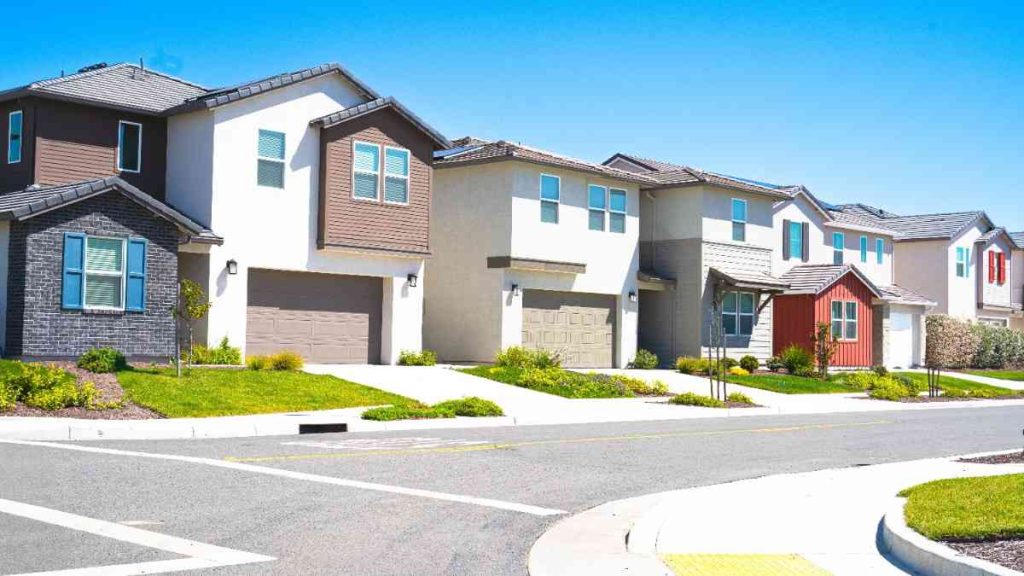
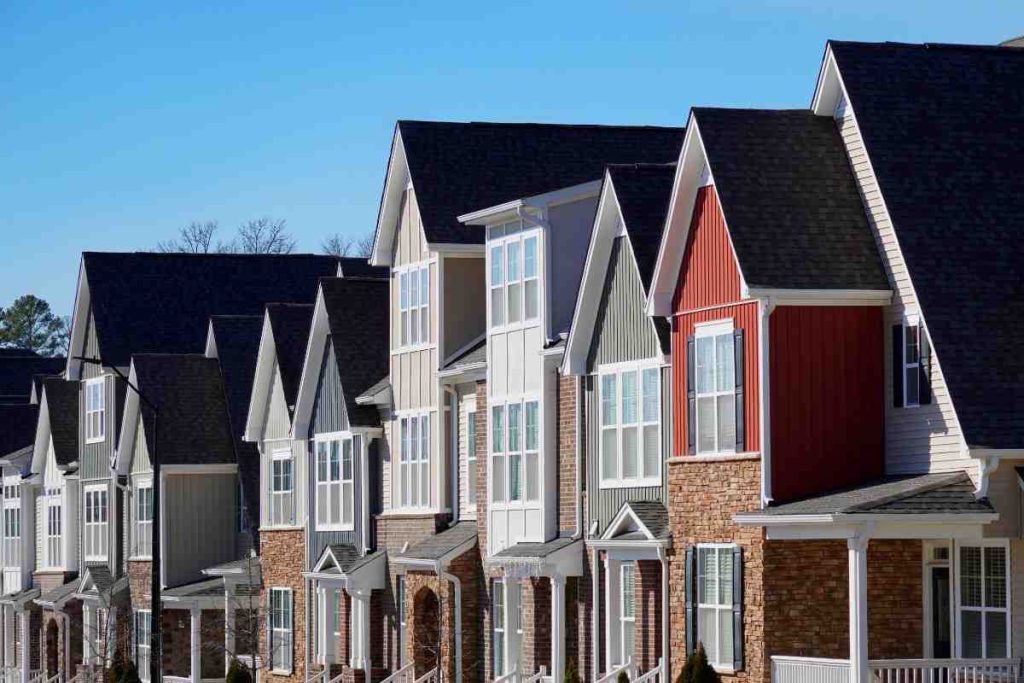
Row houses or terraced houses are residential units built side by side in a row. They often share walls or rooflines with adjacent units. Each has its own living space and entrance, as an independent house. Row houses are typically identical and low-rise. They are common in urban or suburban areas where land is limited.
Row houses offer a sense of community living and let you own a home for yourself. They are compact and, sometimes, multi-floored to remain optimally spacious. With their origins dating back to the 16th-century European era, you can find row houses in various architectural styles and structures. From traditional to modern and luxury, row house types abound.
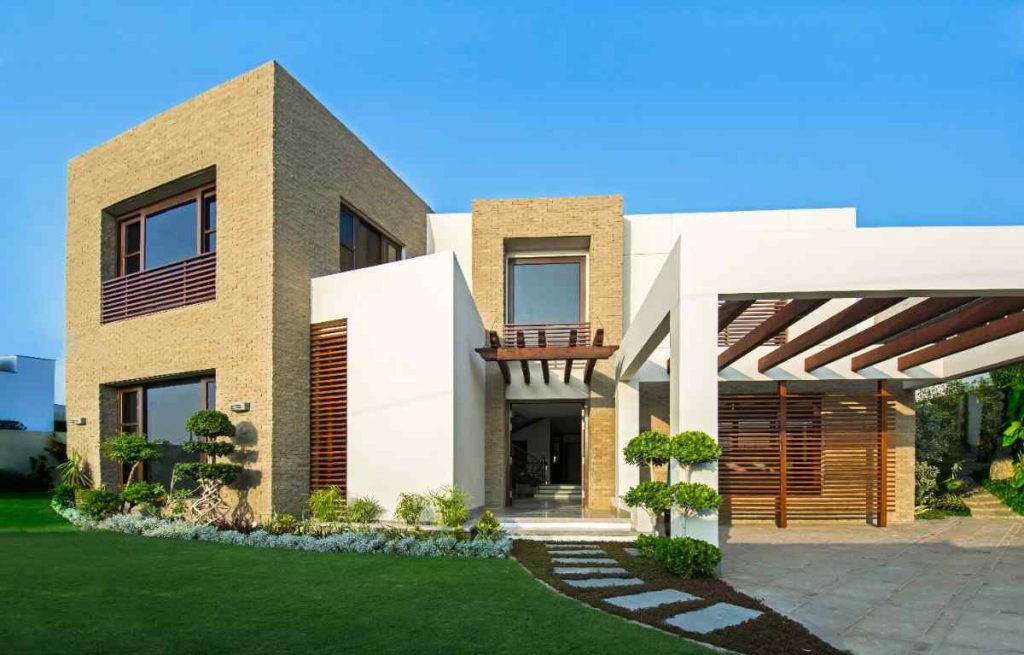
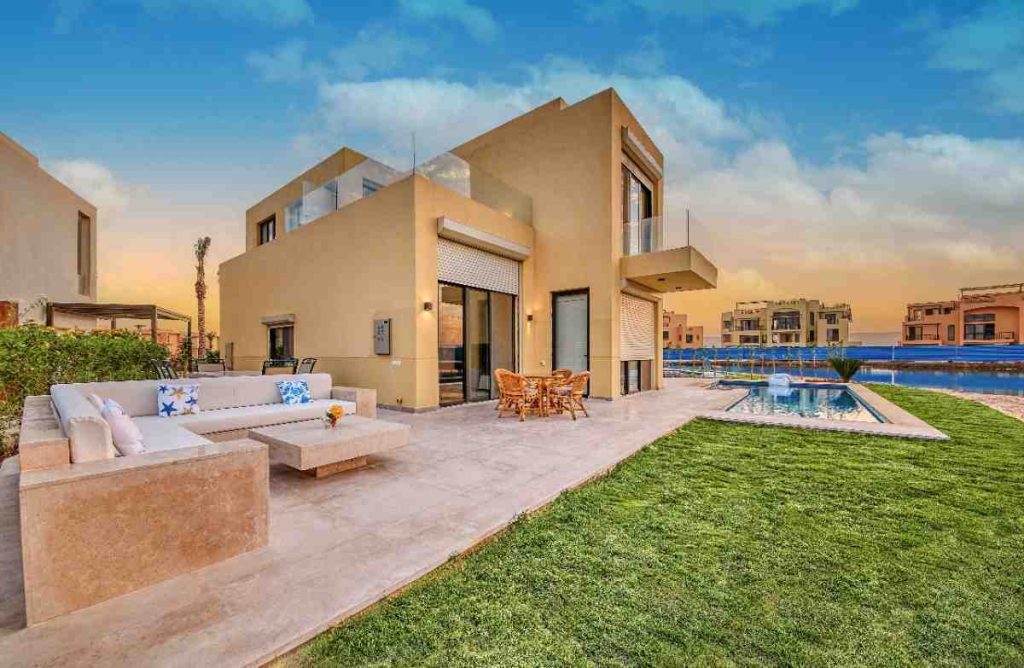
Knowing the difference between row house and villa requires defining what a villa is. A villa is a large house, usually perched in a scenic and serene setting, like coastlines or peaceful suburbs. It is secluded from the hustle of the town or city and offers excellent privacy, exclusivity and comfort. Villas usually have many large and spacious rooms, gardens, landscaping, pools and are adorned with top-notch amenities. In simple words, villas are all about luxury and class.
Rooted in the ancient Roman culture, these large countryside houses evolved in shape, style and form to become the modern-day villas of today. If you need an upscale living far from the city bustle, a villa is a great choice.
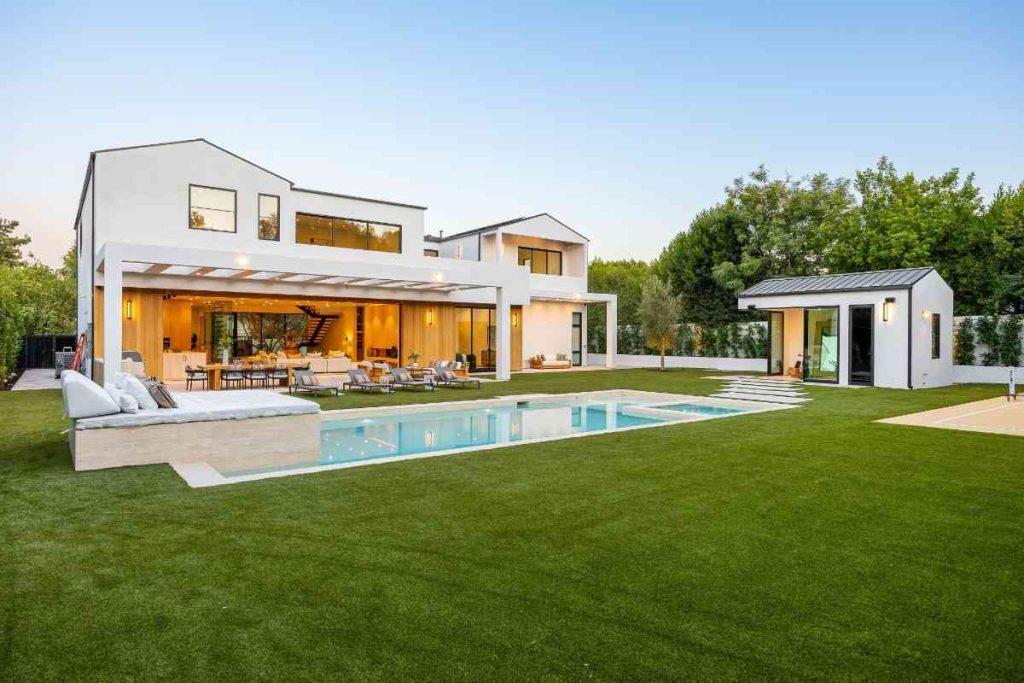
The key difference between row house and villa living boils down to space, privacy and lifestyle. Both are independent homes that serve as an alternative to high-rise living. However, each suits distinct priorities and needs. So, before you choose, it helps to compare their layout, comfort, cost, long-term value and other aspects. Below are the key factors that differentiate a row house vs villa living.
One of the key distinctions between villas and row houses is in their space and layout. Villas are more spacious and give you the liberty to customise the design. Row houses are meant for compact living with a limited scope for customisation.
When comparing row houses and villas, privacy levels greatly vary. Villas offer an excellent personal space. They do not have shared walls or roofs, meaning no noise from neighbours. The boundaries and outdoor spaces are private and exclusive.
Row houses have shared walls, which makes you feel closer to neighbours, meaning less privacy than a villa. Shared walls also increase the likelihood of noise from adjacent homes.
Cost is a major factor when considering the difference between villa and row house. Villas are premium homes, whereas row houses are more budget-friendly.
When considering the difference between row house and villa, the latter offers more top-notch amenities exclusive to you. Amenities may vary with project type. These include swimming pools, parking areas, gardens, wine cellars and other add-ons. Row houses often share amenities like clubhouses, terraces and parks. Though small private outdoor spaces are available, there is limited room for add-ons.
Both villas and row houses need maintenance. However, villas require self-maintenance of the land and the building. Repairs have to be handled on your own. Costs for maintaining gardens, lawns and other facilities may add up. Row houses let you mitigate maintenance costs due to sharing. Their compactness reduces upkeep costs, and the repairs are often handled by the community.
The investment value for villas and row houses grows in different ways. Besides, various factors like economic, infrastructure growth in the area and market factors come into play.
Both villas and row houses are worth investing in. Knowing the factors that influence property appreciation is crucial. Careful planning, understanding the market, and avoiding the common mistakes in real estate investment are key.
Below is a quick glimpse of the key difference between row house and villa:
| Feature | Row House | Villa |
|---|---|---|
| Structure | A set of identical houses built in a row adjacent to each other, with shared walls. | A large standalone, independent house without any shared structure with adjacent homes. |
| Space | Smaller than villas but larger than flats; spacious vertically. | Spacious interiors and large outdoor areas, like yards, gardens and ample space around. |
| Privacy | Moderately private due to shared walls, neighbours are closer. | Excellent privacy due to being standalone and no shared structures. |
| Customisation | Limited exterior customisation due to identical design; interiors can be personalised | Greater freedom to customise both interiors and exteriors. |
| Amenities | Often shared in the community; Example: parks, terrace and clubhouses. | Wide range of private amenities, such as swimming pool, garden, wine cellar or home theatre. |
| Land Ownership | You own the plot your house is on and your unit or house; but the land is often not divided. | You own the entire land and the building with complete rights and control. |
| Cost | More budget-friendly. | More expensive. |
| Maintenance | Lower and shared responsibility for common areas and facilities. | Higher upkeep responsibility and costs due to larger size. |
Both villas and row houses are excellent housing options. Yet, each comes with its own advantages and challenges. Knowing the pros and cons of each will help you differentiate life in a villa vs row house better. That helps you decide what aligns best with your needs, budget and long-term plans.
Pros
Cons
Pros
Cons
Choosing between a row house vs villa depends on your priorities, budget and lifestyle. You can consider a row house if you’re looking for:
Alternatively, a villa would be ideal if you’re looking for:
To summarise, both row houses and villas offer good housing options, but fit different needs. Row houses are an ideal, low-budget option in urban areas. Villas are great for spacious, premium living. Realising the key difference between row house and villa living helps you decide what best suits your priorities.
No matter your lifestyle, preferences, budget and real estate goals, Confident Group has you covered! Crafted with excellence and commitment, our projects offer a wide range of housing options for you to choose from. Reach out to us to find the dream haven you’re searching for.
1. What is the difference between a villa and a house?
A house refers to any standalone home, small or big, depending on the design. A villa is a large, spacious, premium home. It has bigger layouts, great privacy and outdoor areas.
2. Which is better for investment: row house vs villa?
Villas offer better investment returns in the long-term due to ownership of a larger land plus the building. Though slower in appreciation, row houses are good for mid-budget investors and attract rental income in crowded cities.
3. Is a villa more expensive than a row house?
Yes. Villa is expensive than a row house due to larger size and space, premium features and customisability.
4. Which is easier to maintain: row house vs villa?
Managing row houses is easier than villas, as they are compact and have some structures and amenities. Besides, repairs are often done by the community. Villas are self-maintained and need more upkeep due to a bigger space and private amenities.
5. Are row houses good for families?
Yes. Row houses are ideal for small or mid-sized families looking for budget houses in a city.
6. Are villas better for large families?
Yes. Villas are ideal for larger or joint families. They offer multiple spacious rooms, lavish outdoor spaces, and better privacy.


People invest in various assets to create wealth. Apartments, mutual funds, gold, businesses, you name it! When you think of investing your money in anything, this is the first question that...

Have you ever wondered how cities grow in terms of infrastructure? Roads expand, metro lines emerge, and new buildings spring up every year- urbanisation keeps happening! But land in cities ...



Comments