Living in a shared residential space comes with many advantages, but it also increases the chances of pest problems. Apartment pest control is essential because pests can easily move between units through pipes, walls, and common areas. Many residents ignore early signs, assuming occasional insects are normal in apartment living, but small issues can quickly turn into major infestations.
Another common question homeowners ask is how often should pest control be done in an apartment, especially in cities where warm climates and dense living conditions attract insects and rodents year-round. Regular prevention, daily habits, and timely professional support can make a big difference in maintaining a clean and healthy home environment.
Apartments provide warmth, food sources, and hiding spots that attract a variety of pests. Due to shared walls and drainage systems, infestations can spread quickly if not controlled early.
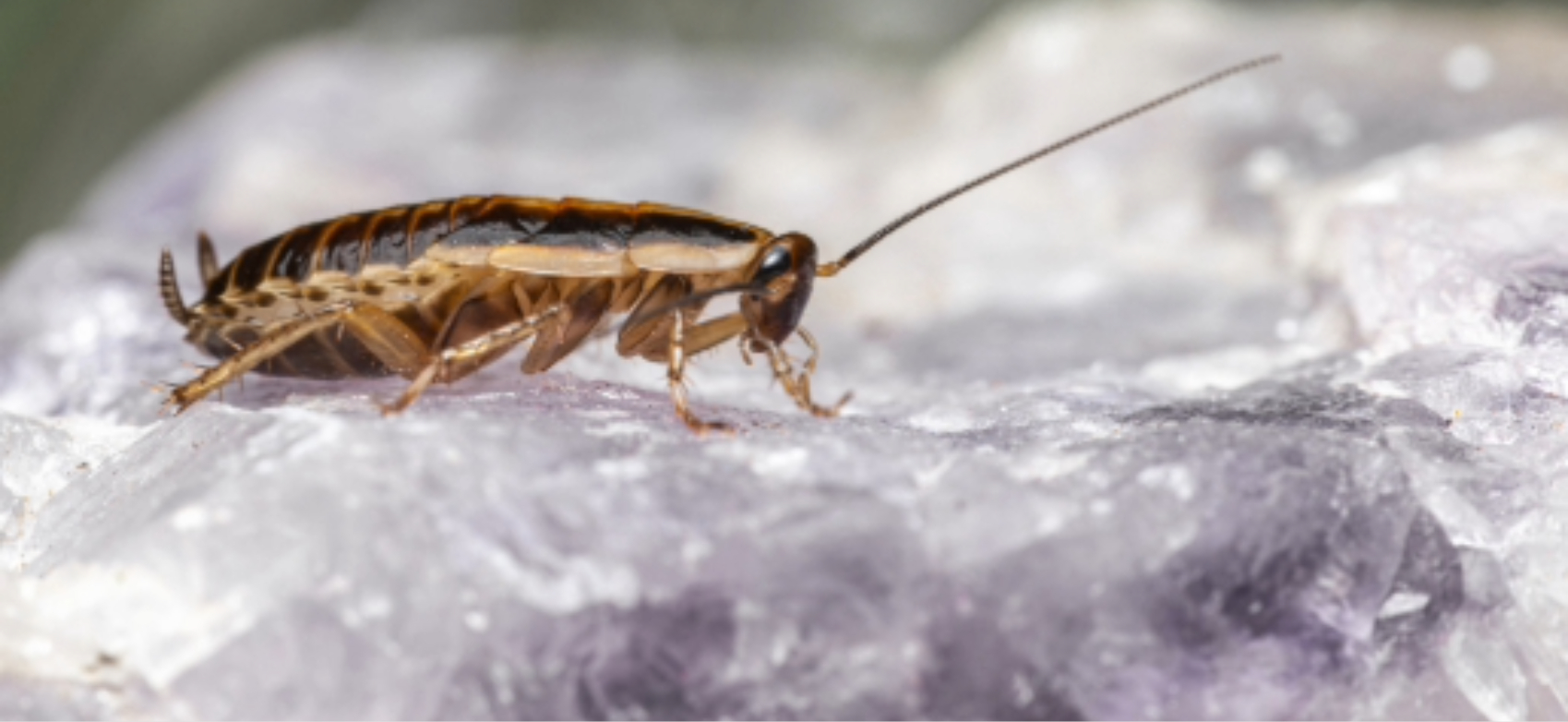
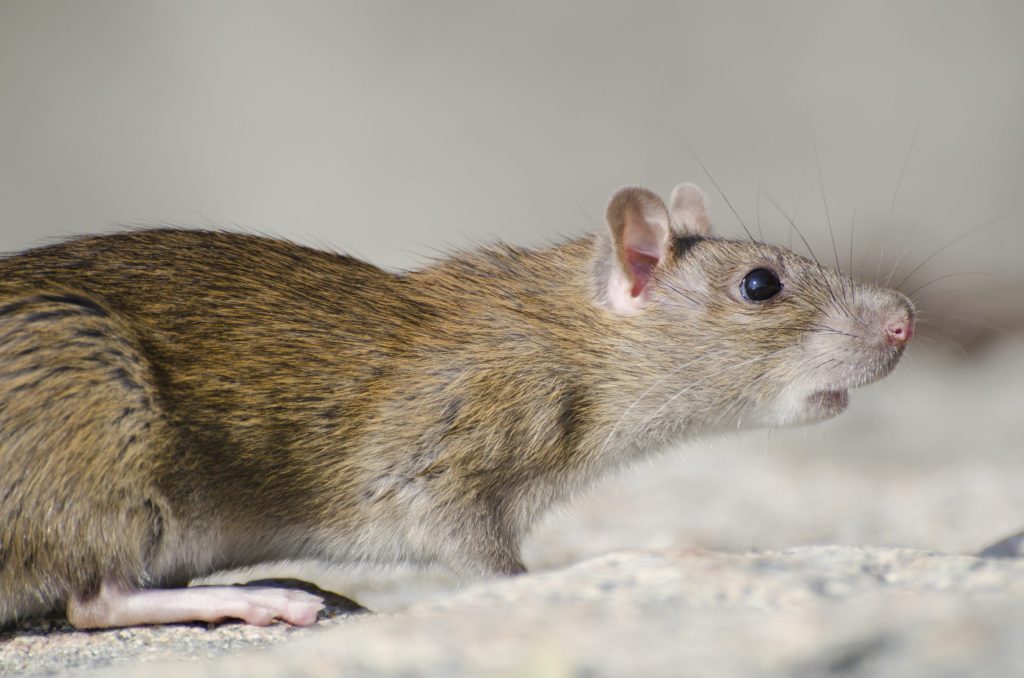
Cockroaches are among the most common apartment pests, thriving in kitchens and bathrooms where moisture is present. Ants often enter through tiny cracks in search of food crumbs. Mosquitoes breed in stagnant water near balconies and bathrooms, while rats and mice use basements, garbage areas, and false ceilings to move undetected. Bed bugs are another growing concern, especially in high-occupancy apartment buildings.
Early detection is key to avoiding severe infestations. Many apartment residents overlook warning signs until pests become visible during the day.
Common indicators include droppings near kitchen cabinets, bite marks on food packets, scratching noises inside walls, foul odours, and shed insect skins. Seeing pests frequently, especially during daylight, usually signals a larger hidden infestation. Bite marks on the skin or unexplained allergies can also indicate bed bugs or mites. Addressing these signs early saves money and prevents damage to furniture, wiring, and health.
Consistent daily habits play a crucial role in pest control in apartment building environments. While professional services are important, everyday cleanliness is the foundation of effective apartment pest control.
Simple actions such as cleaning spills immediately, sealing food properly, and reducing moisture can drastically lower pest attraction. When every resident follows preventive habits, it becomes easier to maintain a pest-free community.
The kitchen is the most attractive area for pests due to the abundance of food available. Crumbs, grease, and spills invite ants and cockroaches quickly. Wiping countertops daily, cleaning under appliances, and washing dishes promptly reduce the spread of food sources. Sealed containers for grains and snacks further discourage pest activity.
Improper waste disposal creates strong odours that attract pests. Overflowing bins or uncovered trash are common reasons for infestations. Use covered dustbins, dispose of garbage daily, and keep waste areas clean. Coordinated waste management across the apartment complex reduces rodent and fly problems significantly.
Moisture is a major contributor to pest survival. Leaky pipes, damp walls, and clogged drains create ideal breeding grounds. Prompt repairs and routine maintenance support apartment complex pest control efforts by removing water sources that pests depend on.
Good airflow and sunlight reduce humidity and discourage pests from settling indoors. Poor ventilation leads to damp corners that insects prefer. Improving ventilation is an effective part of apartment pest control, especially when combined with natural light and regular airing of rooms.
Cluttered storage spaces provide hiding spots for pests. Old newspapers, cardboard boxes, and unused items attract insects and rodents. Regular decluttering and organised storage make inspections easier and reduce pest shelter opportunities.
Many homeowners prefer natural methods as a first step in apartment pest control, especially for minor infestations. These remedies are safe, eco-friendly, and easy to maintain.
Natural solutions work best as preventive measures rather than complete replacements for professional treatment. When used consistently, they reduce pest activity and delay infestation growth.
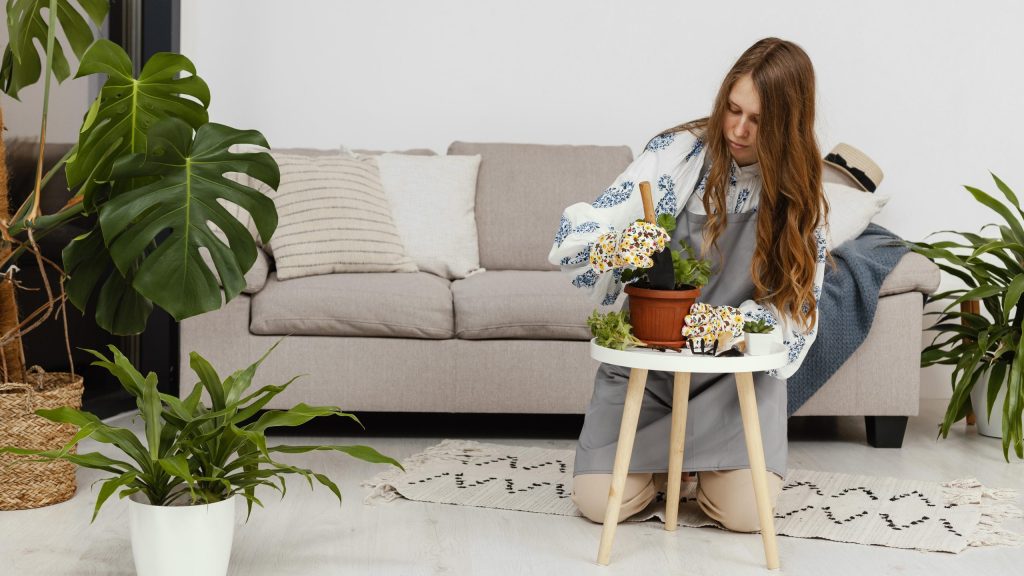
Using natural plants is a safe and effective way to reduce pests without relying on chemical sprays. Many plants release natural oils and fragrances that insects dislike, making them excellent additions to indoor spaces and balconies. Besides supporting apartment pest control, these plants improve air quality, add greenery, and create a healthier living environment when maintained regularly.

Mint is highly effective in repelling ants, mosquitoes, and flies due to its strong, refreshing aroma. The scent interferes with insects’ ability to track food and nesting areas. Placing mint plants near kitchen windows, doors, or balconies helps block common entry points and reduces indoor insect activity naturally.
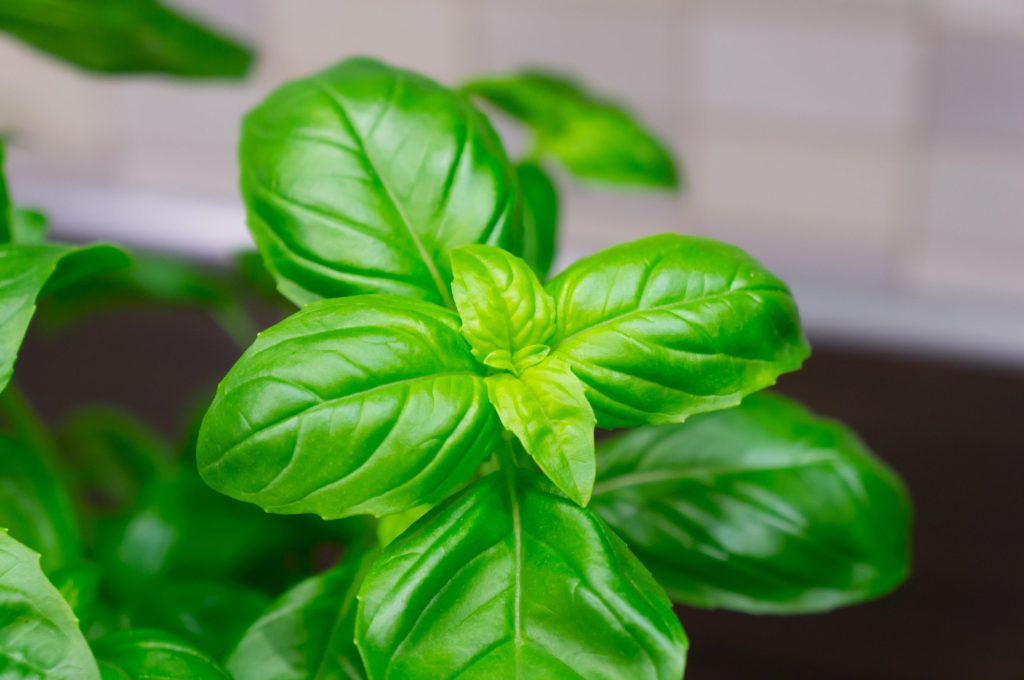
Basil acts as a natural mosquito and fly repellent while also offering antibacterial properties. Its fragrance keeps insects away and contributes to fresher indoor air. Keeping basil plants near kitchen counters, windowsills, or balconies provides continuous protection with minimal care.
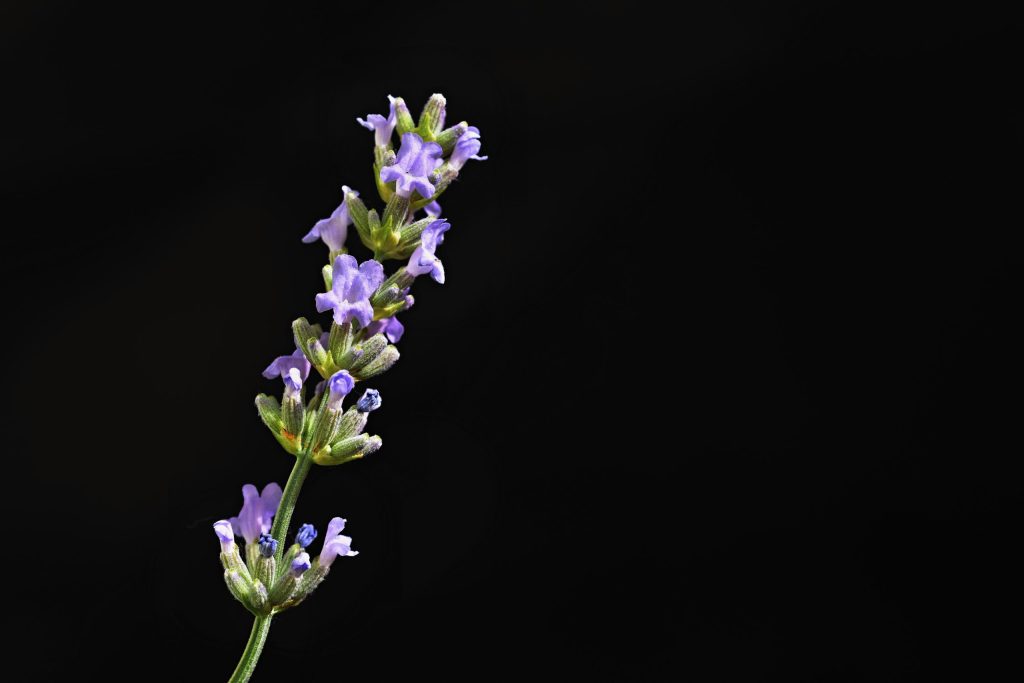
Lavender is well known for deterring moths, mosquitoes, and flies, making it ideal for bedrooms and wardrobes. Its calming scent promotes relaxation and a pleasant smell while keeping pests away. Lavender plants or dried sachets work well in sleeping areas where chemical repellents are not preferred.
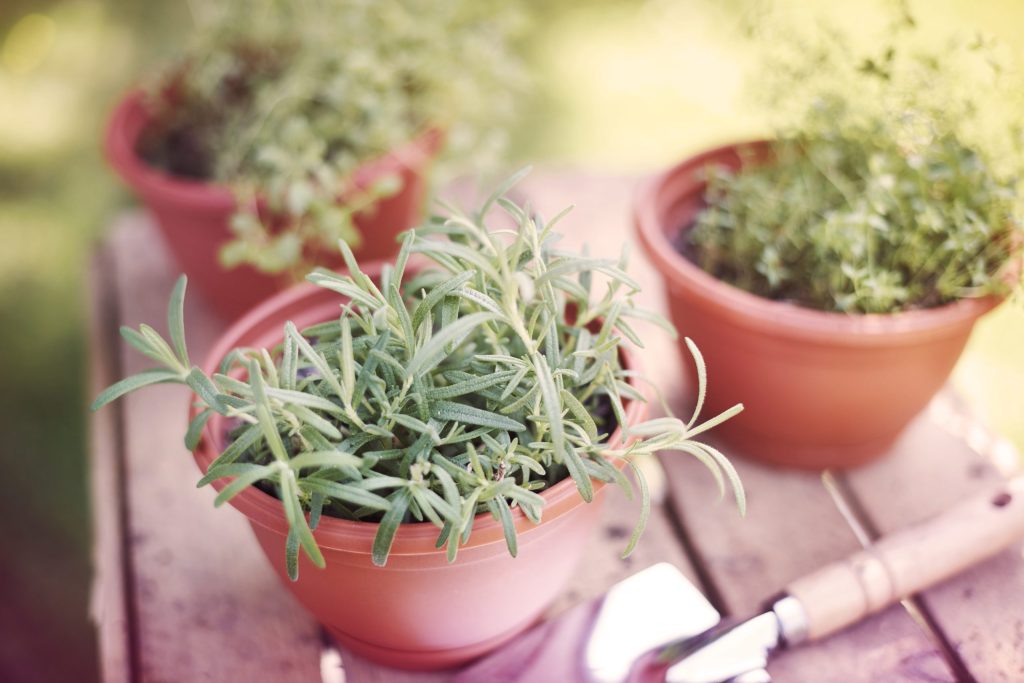
Rosemary naturally repels insects such as mosquitoes and flies and thrives in sunny environments. In addition to pest control benefits, it doubles as a useful culinary herb. Placing rosemary in well-lit indoor spots or balcony gardens helps maintain a pest-resistant environment.
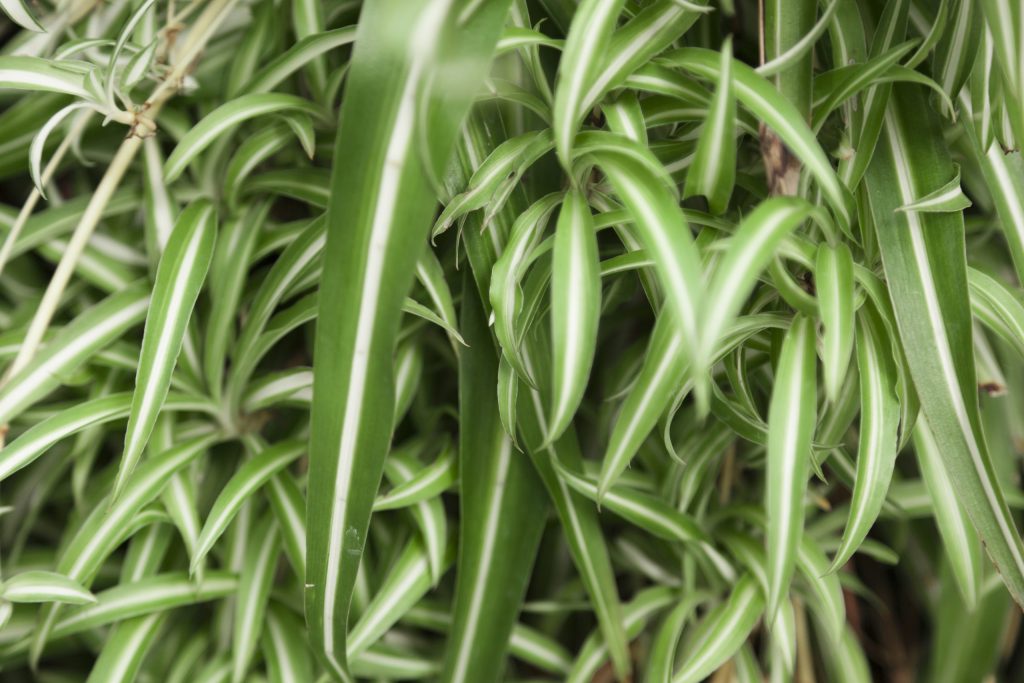
Lemongrass contains citronella, a powerful natural mosquito deterrent commonly used in repellents. Growing lemongrass near balconies, windows, or entrances helps prevent mosquitoes from entering the apartment. It is especially effective in warm and humid climates.
Understanding where does pest control spray in apartments helps residents cooperate better during treatments. Professionals usually focus on entry points, kitchens, bathrooms, drains, and hidden corners.
Sealing cracks, installing mesh on windows, and coordinating treatment schedules with neighbours improve results. Bed bug prevention and periodic inspections further strengthen long-term protection.
DIY methods are effective only up to a certain extent. If pests return repeatedly or spread quickly, professional help becomes necessary.
Knowing how to prepare apartment for pest control ensures treatments are safe and effective. This includes clearing cabinets, covering food items, and following the technician’s instructions carefully. Regular professional inspections are especially important in large apartment complexes.
Maintaining a clean and healthy home requires consistent apartment pest control practices combined with timely professional support. Daily habits, natural remedies, and coordinated apartment-wide efforts significantly reduce pest risks. Developers that prioritise hygiene, ventilation, and maintenance, like those supported by Confident Group, create safer living environments. With awareness and preventive action, residents can enjoy a comfortable, pest-free apartment throughout the year.
1.How do I keep bugs out of my apartment?
Maintain daily cleanliness, seal cracks and gaps around doors and windows, control moisture, and dispose of garbage regularly to eliminate food and shelter for insects.
2.How to rat proof your apartment?
Seal all entry points, store food in airtight containers, keep waste areas clean, and ensure drains and vents are properly covered to block rodent access.
3.How to cockroach proof your apartment?
Remove food residues, fix water leaks, clean hidden corners, and opt for periodic professional pest control to prevent recurring infestations.
4.What is the hardest pest to get rid of?
Bed bugs are the hardest to eliminate due to their ability to hide in tiny spaces, multiply quickly, and develop resistance to common treatments.
5.Why does my apartment get so many bugs?
Poor ventilation, excess moisture, shared walls, uncovered food, and untreated neighbouring units often attract pests into apartments.


Owning a dream home doesn’t always have to come with a heavy price tag. Confident Fantasy, a thoughtfully designed freshwater creek-view apartment by the trusted Confident Group, proves ju...

There’s something special about waking up in a home that feels calm, connected, and quietly luxurious. Located in the heart of the city yet wrapped in peace, Grand Heights by Confident Gro...


Comments