
Housing options in India are diverse, catering to various needs and lifestyle preferences. High-rise apartments appeal to those who seek compact living with shared amenities. Meanwhile, a villa is a top choice among those who need a detached living from an urban setting without compromising its perks. That said, the perception of a villa is different among individuals. Most people think of a villa as a large house embodying luxury in lush green and aesthetic settings. For some, it is a vacation house, even if situated in a condo complex.
Read on to understand what a villa is, its distinguishing features and its various types. Discover the advantages of living in a villa and the challenges to watch out for. Learn what makes a villa different from a house, mansion and apartment. Get insights to make an informed choice of your dream haven, one that aligns with your lifestyle, preferences, real estate goals and budget.

Let’s first understand what is a villa house and briefly look into its origin. A villa refers to a large house, often situated in a serene or scenic spot. It is typically detached and secluded from the bustle of a city or town. It usually features spacious rooms, private gardens and pools, and high-end amenities. Most villas are a symbol of luxury and class.
Besides offering privacy, exclusivity and comfort, villas symbolise elegance. They are ideal for people who seek upscale living in a standalone or unattached living situation.
Traditionally, villas were upper-class country houses secluded from the urban buzz. They evolved in form and function over centuries to become the present-day villas we see today. The original villa meaning will take you on a quick revisit of the ancient Roman culture.
Back in the ancient times, Romans used the word ‘villa’ for large houses built by wealthy people to relax and escape the city hustle. They adorned these villa houses with exquisite features like gardens, courtyards, and pools. Roman villas were typically built in rural settings and the countryside as places for leisure and agriculture. Over time, villas became homes for the rich and noble. Eventually, they symbolised wealth and style with fancy architecture and gardens.
The early modern era started using the word ‘villa’ for any detached house with a lush green landscape or garden near a town or city. Contemporary villas are luxury homes that vary in type and size. The historical idea of a villa as a place of comfort, privacy, and luxury remains central to its modern meaning.
When considering what is a villa good for, it is more than just a roof above your head. It’s all about embracing a perfect mix of elite living, comfort, and privacy. This is why most villas are nestled in lush greenery or perched by serene coastlines. Those tucked in the peaceful suburbs offer the perfect spot and vibe to unwind and retreat after the daily grind.
No matter the location, most villas are designed for boundless freedom and exclusivity while excuding the premium comforts you seek. Here are the key features of a villa that keeps them apart from other residential properties:
Looking for a mesmerizing villa to live in or invest in? Then, different styles and types of villas await you. Each offers unique features that match diverse lifestyle needs and aspirations. Some are designed for peaceful coastal living, whereas others are meant for a tranquil countryside retreat.
Luxury villas are adorned with comfort, amenities, and elegance for a lavish lifestyle. Sustainable versions focus on greener living using eco-friendly materials and design. Some offer a perfect spot for travellers seeking a short stay. Below are the major types of villa you may explore.
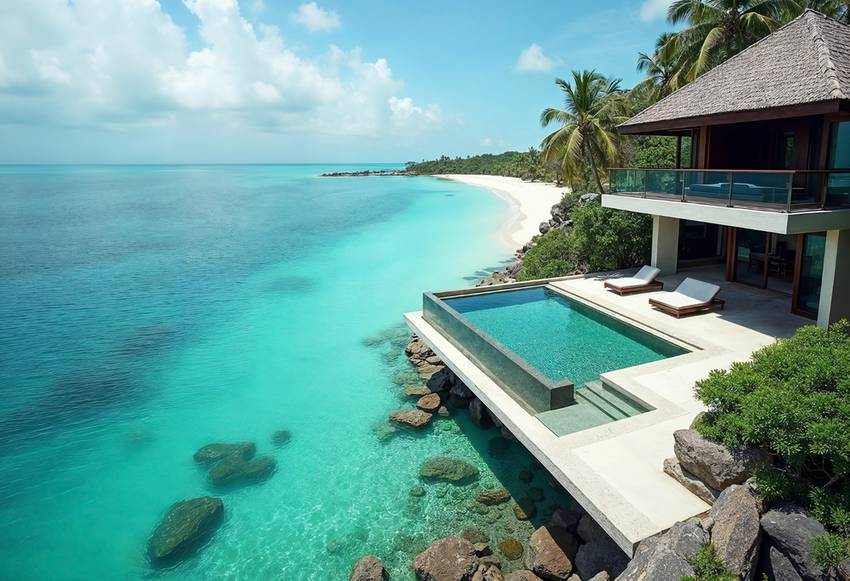
Beach villas are spacious homes located on the coastlines. They are designed to offer a calm and relaxing lifestyle by the sea. The refreshing sea breeze, sounds of the waves and stunning scenery create a feel of endless vacation. Beach villas typically feature:
The lavish outdoor spaces let you relax while enjoying the sea view. Ideal for serene coastal living, beach villas combine modern comfort with the beauty of nature.
Countryside villas are best for those who need an escape from the noise and bustle of city life. They are often located in rural, semi-rural or suburban settings. Lush greenery and lavish open spaces let you enjoy natural surroundings. Some villas use natural and sustainable materials, adding to the earthy tone. They highlight freedom, comfort and amenities in a setting detached from the crowd and urban buzz. They offer a serene abode to retreat, whether you need a weekend getaway or a permanent stay.
Luxury villas are a favourite choice among those who want the best of everything – privacy, comfort, and premium living. They are all about class, elegance and style. These homes are often located in prestigious or scenic locations. With modern designs, these homes set a higher standard of elite living. They include high-end facilities for comfort and modernity, such as:
Modern house villas are thoughtfully designed with the environment in mind. They help you lead a life with minimal impact on nature. They are great for people who care about the planet and want to live in a way that helps conserve it. Eco-friendly villas feature the following:

Vacation villas are large homes meant for relaxation and short-term stays. They are often located in popular tour destinations and scenic places like beaches or mountains. These villas are perfect holiday getaway options for families and groups who prefer a cosy, homely and private place to stay during travel. They blend comfort and convenience you need for a short vacation. The most common features include:
Villas may also differ based on the number of units. Most of you may presume villas to be a standalone or single unit. However, duplex villas are designed with two interconnected units, typically spread across two floors. When considering what is duplex villa living good for, it is ideal for joint families or buyers. It offers spacious living in separate and private zones within a large home.
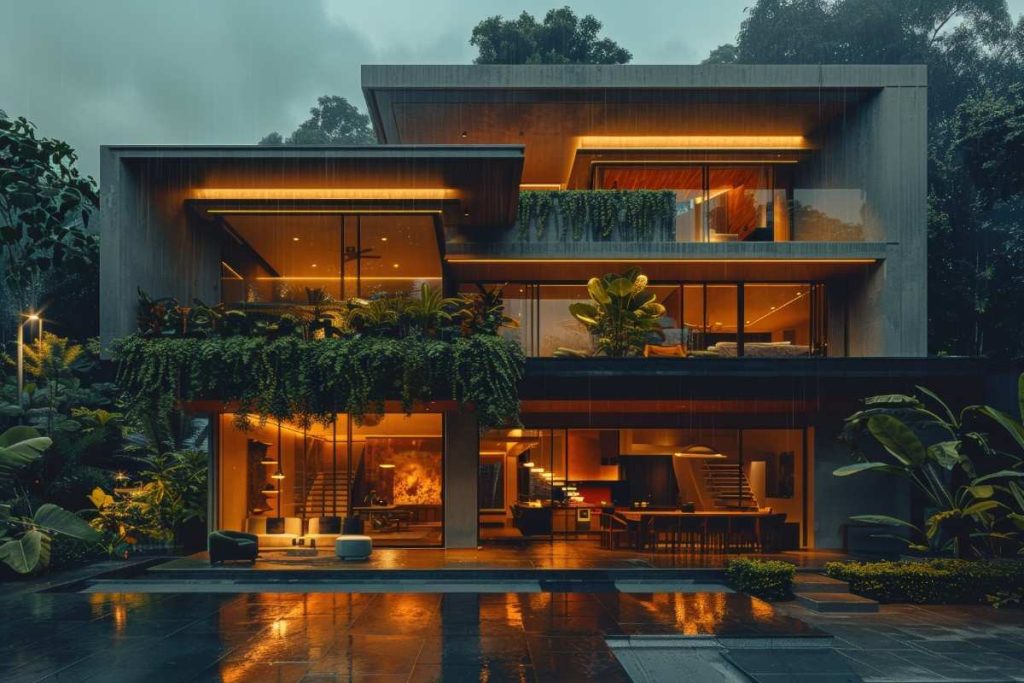
Many people choose to live in or own a property villa for its long-term investment value that appreciates well due to its exclusivity, location and appeal. However, mindful and informed decision-making is key! Every type of villa comes with its own set of pros and cons. Knowing them can help you decide whether a villa suits your lifestyle, budget and goals or not.
Villas do offer privacy, boundless freedom and luxurious amenities for upscale living. However, they can imply higher costs and maintenance from time to time. Below are the key advantages and disadvantages of villas.
Ever thought what is the difference between home and house? A house is a residential property or building designed for people to live in. Whereas a home is a place of memories, emotional connection, family bonds and belongingness. A villa chosen mindfully based on your lifestyle, goals and budget, can certainly become your dream home!
While many of you may use “villa”, “mansion” and “house” interchangeably, they are not exactly the same. The advantages of buying a villa primarily lie in the nuances that keep it apart from these housing options, especially in terms of value, features and appeal. Let’s uncover these differences one by one!
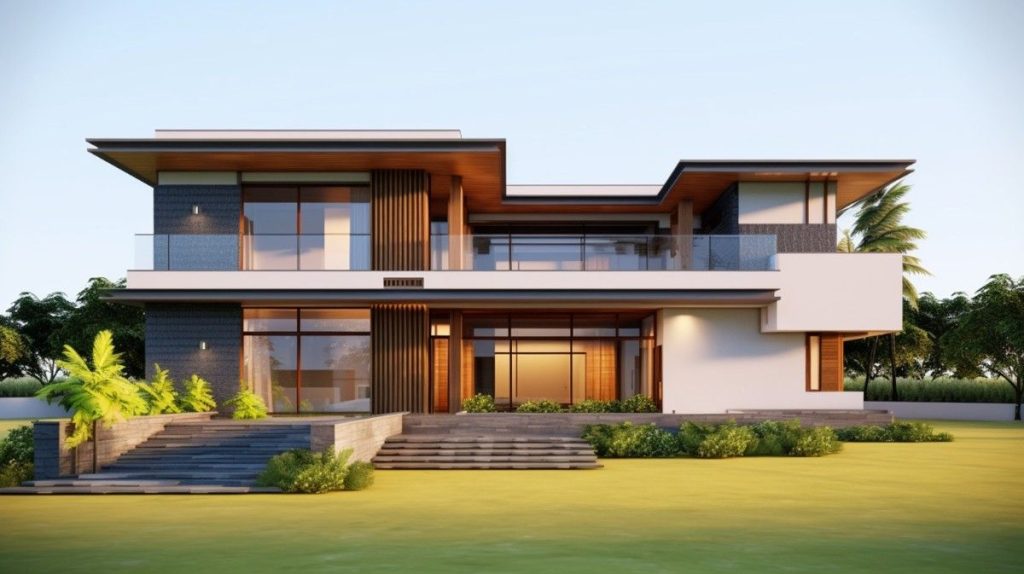
We don’t need to be told what is a house good for; it is a real estate property designed for people to live in. Both villas and independent houses are popular residential options. Despite offering similar benefits of a cosy living, they differ significantly. When considering villa vs house, factors like size, cost, privacy, and luxury come in.
Choosing between a villa and a house largely depends on your needs and budget. Understanding the key difference between villa and house can help you make an informed decision. Here’s a breakdown:
Both villa and mansion represent luxury living, but differ in scale, purpose, and style. A mansion is usually a very large, grand home built to showcase wealth. On the contrary, a villa focuses on privacy, comfort, and scenic living. Villas usually offer outdoor spaces and modern amenities. Mansions highlight size, grandeur, and elaborate architecture. Here’s more on the difference between mansion and villa:

The difference between villa and apartment is pretty much obvious. Villa is all about independent space, comfort and privacy. Whereas apartments offer convenience, shared amenities, and community living. Now, you may wonder, “What is gated community villa?” It’s a standalone property located within a well-planned, secure residential community that offers shared amenities and 24/7 security. The best choice for you depends on your lifestyle, preferences and budget considerations. It’s a matter of freedom vs convenience!
Further Reading: Condo vs Apartment
A villa is the epitome of elite living, comfort, privacy and elegance. Unlike other types of residences, it offers a unique living experience with world-class amenities and the serenity you need. Whether you are fond of breezy beachlines or secluded suburbs, there are various types of villas to choose from. However, it is worth foreseeing challenges that may tag along. Hence, assessing your lifestyle, needs, and preferences is crucial before you make a choice.
At Confident Group, we guide you to find a villa that’s a unique statement for your lifestyle. We match your preferences, budget, goals and needs with a plenitude of choices to get you a dream home with the premium comforts and unlimited freedom.


Choosing a home is about more than selecting the right floor plan or location. The builder behind the project plays an equally important role in determining the quality of construction, proj...

Buying an apartment is a major financial commitment, so choosing the right builder is just as important as choosing the apartment itself. A project may have an attractive location, modern am...


Comments