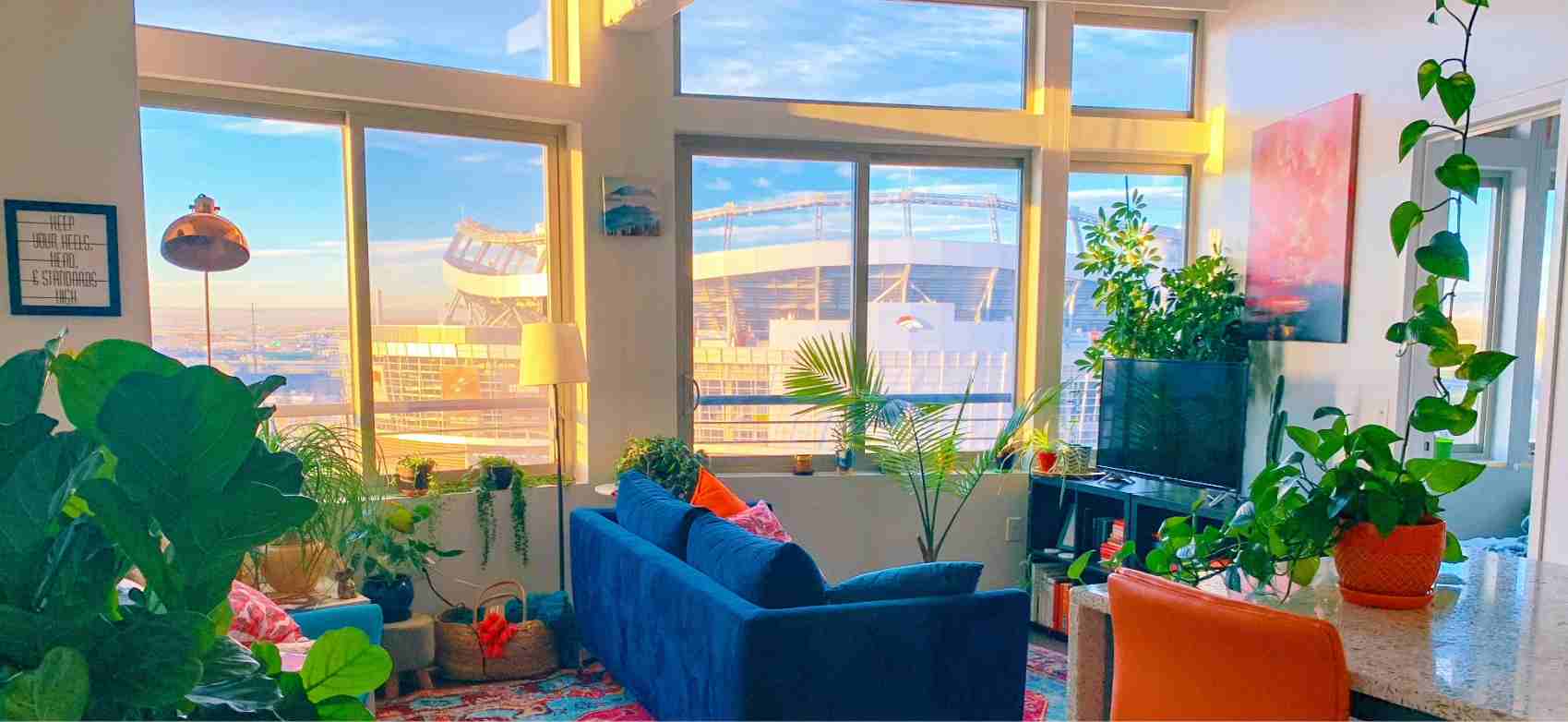
Two apartments can have the same floor area and layout but feel completely different. One may feel bright and airy throughout the day, while the other requires artificial lighting even in the afternoon and feels stuffy despite having several windows. The difference often comes down to how effectively the apartment receives daylight and allows air to circulate.
Natural lighting and ventilation in apartments influence everyday comfort, indoor air quality, and how residents use their living spaces. Yet these factors can be easy to overlook when comparing floor plans, amenities, and apartment sizes.
Understanding how natural light and airflow work together can help homebuyers recognise a well-designed living space. This guide explains their importance, the design features that support them, and what to check before purchasing an apartment.
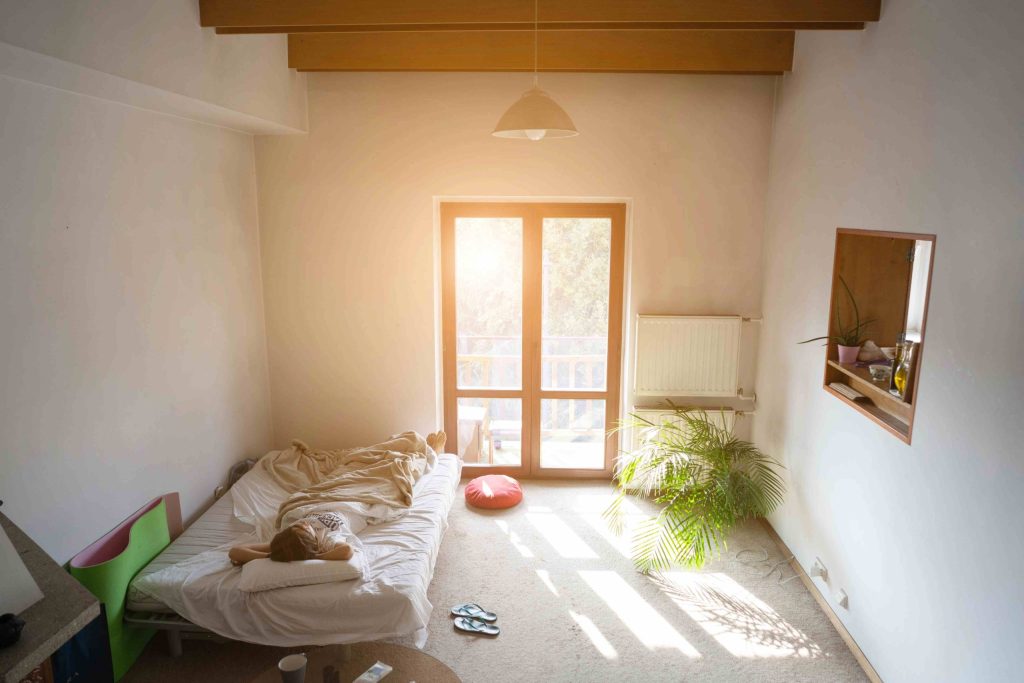
Natural light and ventilation serve different purposes, but both contribute to a comfortable indoor environment.
Daylight illuminates living spaces, while ventilation allows indoor air to be replaced with outdoor air. Together, they can make rooms more pleasant to occupy and reduce dependence on artificial lighting and mechanical ventilation under suitable conditions. Their importance is particularly noticeable in apartments where residents spend extended periods indoors, whether working, studying, relaxing, or managing household activities.
Poorly positioned windows, obstructed openings, and limited airflow can leave rooms dark or uncomfortable despite having sufficient floor space. In Kerala’s warm and humid climate, apartment design must also balance daylight and fresh air with protection from excessive heat, rain, and moisture. A well-planned apartment considers these conditions rather than simply maximising the number or size of windows.
Natural light in apartments contributes to how rooms look, feel, and function throughout the day.
A living room that receives sufficient daylight can feel more open and welcoming. Bedrooms with appropriate morning light may also create a pleasant environment for beginning the day.
The main benefits of natural lighting in apartments include:
Unshaded windows can introduce excessive heat and glare, especially during periods of strong afternoon sunlight. Effective daylight design therefore combines window positioning with suitable shading and thoughtful interior planning. The goal is to allow useful daylight into the apartment without creating uncomfortable indoor temperatures.
Apartment ventilation helps replace stale indoor air with outdoor air, reducing the accumulation of certain indoor pollutants, odours, and excess moisture when outdoor conditions are suitable. Everyday activities such as cooking, bathing, cleaning, and drying clothes can introduce moisture or pollutants into indoor spaces. Without adequate airflow, these can remain concentrated, particularly in enclosed kitchens and bathrooms.
Good ventilation can contribute to:
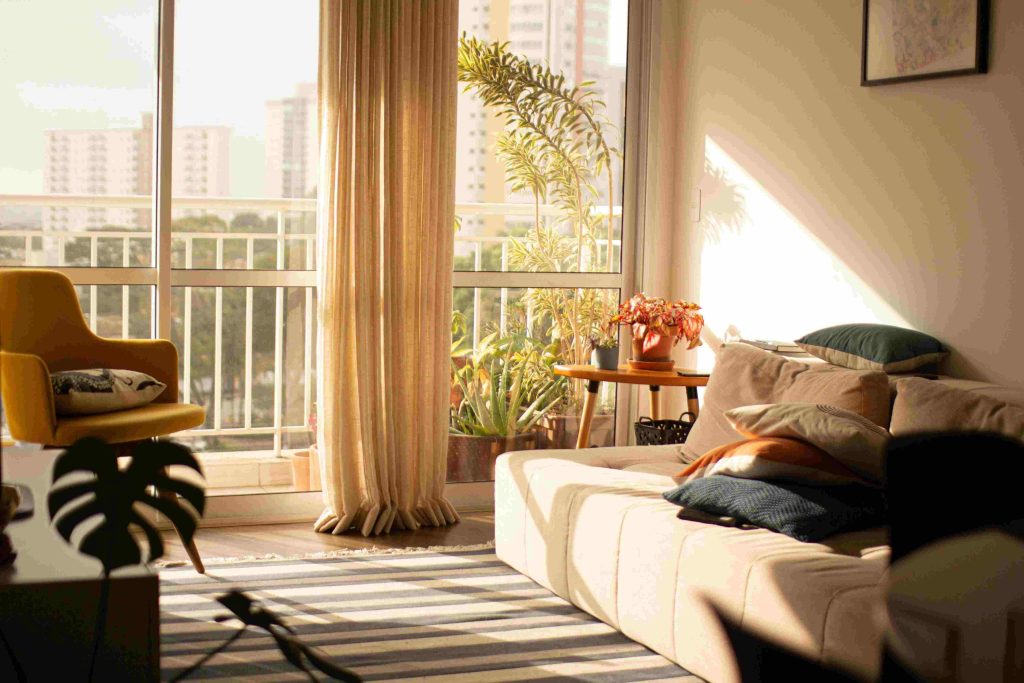
The relationship between apartment design and ventilation begins with the building’s orientation, floor plan, and placement of openings.
Design features that can improve light and ventilation include:
Well-ventilated apartments also benefit from airflow paths that remain practical when doors are closed for privacy. An effective design should balance natural lighting, ventilation, privacy, safety, and protection from the weather.
Evaluating natural lighting and ventilation in apartments requires more than checking whether every room has a window. During a site visit, observe how daylight enters different spaces and whether air can move through the apartment. The following checks can help you identify potential limitations.
Look at the windows in the living room, bedrooms, and kitchen. Check whether they provide useful daylight and can be opened sufficiently for ventilation. Windows that appear large from the outside may have only a small openable section.
Consider their height and location relative to furniture, partitions, and neighbouring structures. Also examine whether window grills, insect screens, or safety features affect how comfortably the openings can be used. A good window arrangement should support lighting and airflow without compromising privacy or security.
Cross ventilation in apartments occurs when air moves through a space using openings on different sides, generally driven by differences in wind pressure.
For example, air entering through a living room window may move through the apartment and exit through an opening on another side. This arrangement can improve air movement when outdoor conditions are favourable. Check whether windows and doors create a practical airflow path. Internal walls, closed rooms, and bulky furniture may restrict circulation.
Remember that cross ventilation in apartments depends on actual wind conditions and the location of openings. Simply having windows on opposite walls does not guarantee constant airflow.
The direction an apartment faces influences when and how sunlight enters its rooms. East-facing openings often receive more direct morning sunlight, while west-facing openings may experience stronger afternoon exposure. The amount of sunlight also changes with the season and surrounding buildings.
In warm climates, intense afternoon sunlight can increase indoor heat and glare. However, no single apartment orientation is automatically best for every property. Evaluate window placement, shading, prevailing winds, and the surrounding environment together to understand how the apartment may perform throughout the year.
A balcony can provide an additional connection to outdoor light and air. Check whether its position supports ventilation in the adjoining room or whether deep overhead projections limit daylight. Balconies may also provide shading, which can be useful during periods of intense sunlight. Consider how balcony screens, railings, and nearby structures affect airflow. When assessing an apartment, look at the relationship between the balcony and interior rooms rather than treating balcony size alone as an indicator of better ventilation.
The distance between buildings can influence both daylight availability and airflow. A neighbouring structure positioned close to bedroom windows may block natural light or restrict views of the sky. Similarly, closely spaced buildings can alter wind movement around the apartment.
During your visit, inspect the surroundings from each major window and balcony. Ask about nearby vacant plots and planned developments where relevant, as future construction could change the amount of light reaching the apartment. The position of the particular unit within the building matters as much as the property’s overall location.
A single site visit may not reveal how much daylight the apartment receives throughout the day. A room that appears bright in the morning may become noticeably darker later, depending on its orientation and surrounding structures.
Where possible, visit the property at different times or request information about sunlight conditions. Observe whether you need electric lights during normal daytime activities and whether direct sunlight creates glare or excessive heat. Comparing lighting conditions across bedrooms, the kitchen, and the living room can help you understand the apartment’s overall daylight quality.
Dampness can indicate moisture problems that deserve further investigation. Look for peeling paint, discoloured walls, musty odours, visible mould, or condensation around windows and enclosed spaces.
Pay particular attention to bathrooms, kitchens, and areas near external walls.Check whether bathrooms have functional exhaust systems and whether moisture can escape after bathing. Persistent dampness may result from leakage, condensation, or inadequate moisture control, so identify the cause rather than assuming additional ventilation will resolve it.
Natural light and airflow are important considerations when selecting a home, alongside its location, layout, construction quality, and available amenities. Confident Group offers residential developments across Kerala, allowing homebuyers to explore apartment configurations suited to different living requirements.
When reviewing a Confident Group project, buyers can examine available floor plans, window arrangements, balcony placement, and the orientation of individual units. A visit to the project, where possible, can provide a clearer understanding of the natural lighting and ventilation available in the apartment. Comparing these features with your daily routines and household preferences can help you identify a home that offers the comfort and practicality you need.
Natural lighting and ventilation in apartments play an important role in creating comfortable and functional living spaces. From window positioning and room layouts to airflow paths and building orientation, several design decisions influence the indoor environment.
Before choosing an apartment, inspect its openings, observe daylight conditions, and check whether each room has suitable ventilation arrangements. Homebuyers exploring residential projects from Confident Group can consider these factors when comparing apartment layouts and available units. A home with thoughtfully planned lighting and airflow can support everyday comfort while helping residents make better use of their living spaces.
1.What is cross ventilation in an apartment?
Cross ventilation is the movement of outdoor air through a room or apartment using openings on different sides. Its effectiveness depends on window placement, wind conditions, and unobstructed airflow paths.
2.How can you improve ventilation in a flat?
Open suitable windows when outdoor conditions permit, use kitchen and bathroom exhaust fans, and avoid blocking ventilation openings. Address leaks and persistent moisture problems separately.
3.Why are natural lighting and ventilation important in apartments?
They improve daytime visibility, support fresh-air exchange, and contribute to indoor comfort. Properly designed openings can also reduce the need for artificial lighting during the day.
4.Can natural light reduce electricity consumption?
Yes. Adequate daylight can reduce the need for electric lighting during daytime hours. Actual savings depend on window placement, shading, occupancy, and lighting habits.
5.What should you check before buying a well-ventilated apartment?
Check openable windows, airflow paths, kitchen and bathroom exhaust systems, nearby building obstructions, and signs of dampness. Visit the apartment to assess its actual lighting and ventilation conditions.


Your Premium Residential Address in Malabar Are you an IT professional working at Cyberpark or a smart investor looking for a promising real estate opportunity? Confident Avenue by Confiden...

An apartment that comfortably accommodates two people today may feel very different when children, additional furniture, and changing family routines become part of everyday life. What initi...


Comments