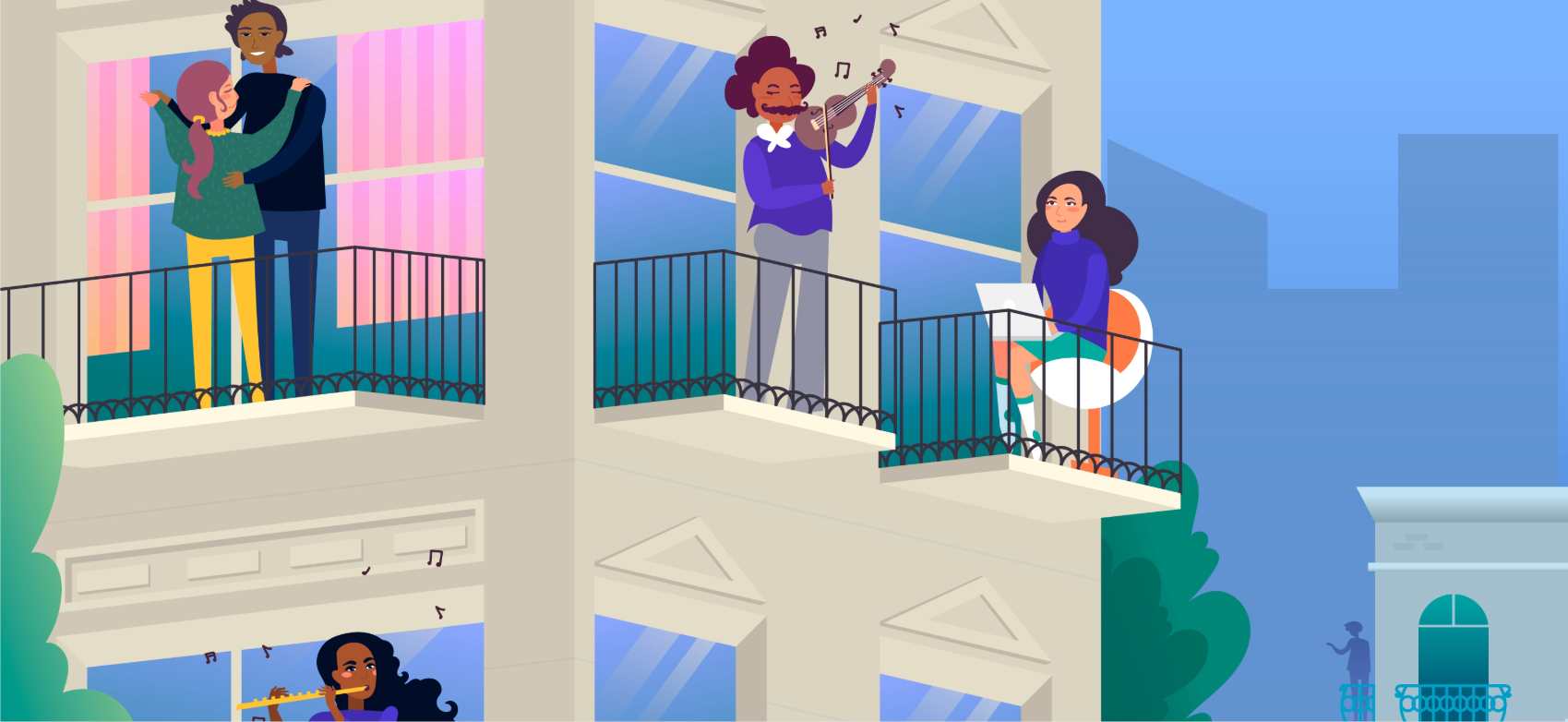
Can you enjoy a quiet evening in your living room without hearing conversations from the neighbouring apartment? Can you leave your curtains open without compromising your privacy? These are everyday concerns that can influence how comfortable you feel in your own home.
Privacy in apartment living goes beyond having a separate residential unit. It involves how well your home protects personal space, limits unwanted noise, and allows family members to follow their routines without unnecessary interruptions.
For homebuyers, privacy deserves attention alongside location, amenities, and apartment size. Understanding what contributes to a private living environment can help you choose a home that supports your lifestyle.

Apartment privacy refers to the ability to enjoy your personal space without unwanted visual, auditory, or physical intrusion.
Unlike independent houses, apartments share walls, corridors, entrances, and other facilities with neighbouring households. While this arrangement supports community living, it can also create privacy concerns if the building layout does not adequately separate private and shared spaces.
Privacy generally involves three aspects:
An apartment that addresses these aspects allows residents to enjoy community facilities while maintaining appropriate boundaries within their homes.
The importance of privacy in apartments becomes more apparent as families balance work, education, leisure, and personal responsibilities within the same home. A well-planned apartment should allow residents to interact when they choose while providing sufficient separation for activities that require concentration or quiet.
Your home should provide a place to relax without feeling constantly observed or disturbed. Bedrooms facing busy corridors, balconies directly overlooking neighbouring living rooms, or poorly insulated shared walls can affect everyday comfort.
Appropriate window placement, thoughtful room arrangements, and adequate separation between residential units help minimise these concerns. Privacy also allows residents to use their living spaces more freely without repeatedly adjusting curtains or avoiding certain rooms.
Working from home, attending online meetings, and studying remotely have made quiet spaces increasingly valuable. An apartment with a suitable room layout can help residents separate professional activities from household routines.
For example, a bedroom or study located away from the main living area may provide a more comfortable setting for video calls and focused work. Effective sound insulation and doors that close securely can further reduce interruptions during working hours.
Family members often follow different schedules. Children may need time for homework while parents attend meetings, prepare meals, or relax. Some residents may work night shifts and require uninterrupted daytime sleep.
An apartment with sufficient room separation allows these activities to take place without unnecessary disturbance. This becomes especially important when several people share the same home but have different daily responsibilities.
Privacy contributes to a more comfortable relationship between individual households and the wider apartment community. Residents can participate in shared activities while maintaining boundaries around their personal lives.
The importance of privacy in apartments is therefore not limited to reducing noise or blocking outside views. It also involves giving residents greater control over how they use their homes and interact with their surroundings.
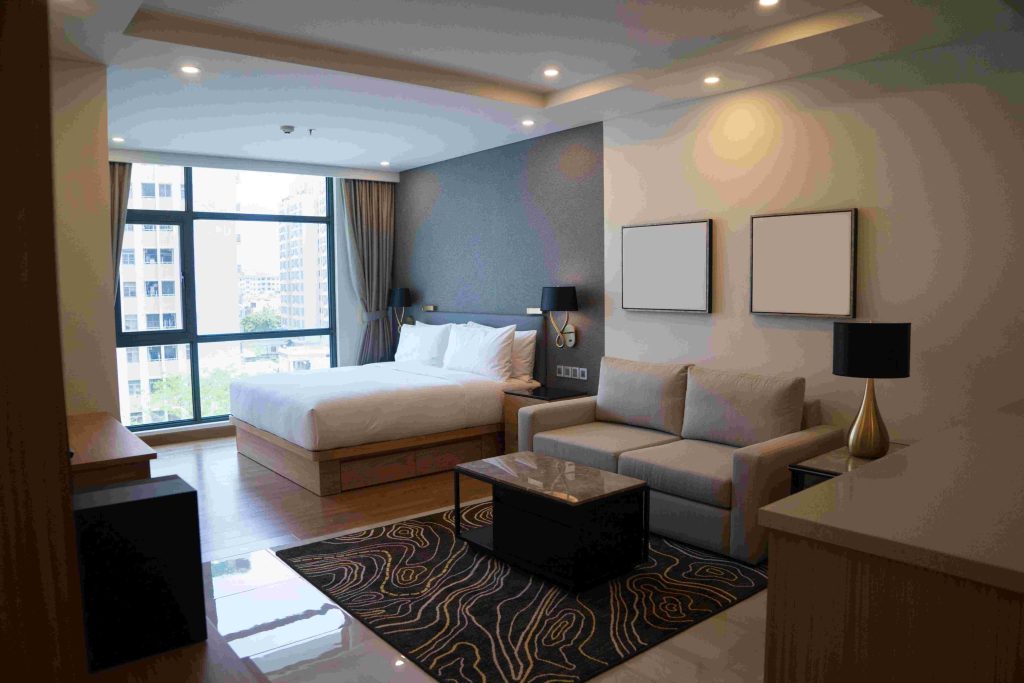
The layout of a residential building plays a major role in determining how much privacy its occupants enjoy. Privacy in modern apartments depends on several interconnected design decisions, including the positioning of residential units, entrances, windows, balconies, and shared facilities.
For instance, apartments with entrance doors directly facing each other may offer less separation from common corridors. Similarly, bedrooms positioned beside lifts or busy common areas may experience frequent noise. Within the apartment, room placement also matters. A bedroom located away from the entrance and main living area generally offers greater separation from visitors and household activities.
Window orientation influences visual privacy. Large windows provide natural light and ventilation, but their placement should account for neighbouring buildings and overlooking balconies. Balcony design requires similar consideration. Screens, appropriate railings, and thoughtful positioning can provide separation without unnecessarily restricting airflow. Sound transmission is another important factor. Wall construction, flooring systems, door quality, and plumbing arrangements influence how easily noise travels between apartments.
Good privacy in apartment design involves balancing these considerations with ventilation, daylight, accessibility, and efficient use of space.
Privacy requirements vary according to age, daily routines, and household composition. An apartment that works comfortably for one family may not provide sufficient personal space for another. Understanding these differences helps buyers assess whether a property’s layout supports everyone living there.
Children need spaces where they can study, rest, and participate in age-appropriate activities. As they grow older, personal space becomes increasingly important for independence and concentration. A separate bedroom or a designated study area can reduce distractions and provide a sense of ownership over their surroundings. Parents should also consider how room placement allows appropriate supervision while respecting children’s changing privacy needs.
Multigenerational households often include family members with different sleeping schedules, social preferences, and daily activities. Grandparents may prefer quieter surroundings, while younger members may spend more time in common areas.
A layout that separates bedrooms from entertainment and dining spaces can accommodate these differences. Where possible, multiple bathrooms and well-positioned bedrooms also help reduce interruptions and provide greater convenience.
Working professionals may need privacy for online meetings, confidential conversations, and tasks requiring concentration. A dedicated study is useful, but even a thoughtfully positioned bedroom can serve as a temporary workspace. Consider the distance between the workspace and areas where household activity is frequent. Adequate electrical outlets, ventilation, and the ability to close the room securely can make the space more functional.
Senior citizens may value quiet bedrooms, convenient access to bathrooms, and spaces where they can relax without frequent interruptions. A bedroom away from noisy common areas can provide a more peaceful environment. However, privacy should not compromise accessibility or safety. Room placement should also support easy movement and communication with other household members when assistance is needed.
When visiting a residential project, look beyond the apartment’s size and appearance. Several apartment privacy features can influence how comfortably you use the property.
Use the following checklist to evaluate privacy before purchasing:
These checks help buyers understand how privacy in apartment design affects daily living. They also make it easier to distinguish between features that genuinely improve privacy and those that serve mainly as visual enhancements.
Remember that privacy in modern apartments depends on both building design and resident behaviour. Even a thoughtfully designed property benefits from respectful neighbours and clear community guidelines.
Privacy in apartment living is an essential consideration when choosing a home. From room placement and sound insulation to balcony orientation and common-area design, several details determine how comfortably residents can maintain their personal space. Before purchasing an apartment, review its layout, inspect the surroundings, and consider the different privacy requirements of your household.
Homebuyers exploring residential developments from Confident Group can evaluate available apartment layouts, specifications, and facilities to find a home that aligns with their expectations. A well-chosen apartment should allow you to enjoy the advantages of community living without compromising the comfort and privacy of your own home.
1.Why is privacy important in apartment living?
Privacy allows residents to relax, work, study, and maintain personal routines without unnecessary disturbances. It also helps families establish comfortable boundaries within shared residential environments.
2.How can you maintain privacy in an apartment?
Use curtains or blinds, arrange furniture thoughtfully, and consider suitable balcony screens. Maintaining respectful boundaries with neighbours and reducing unnecessary noise also helps.
3.Which apartment layout offers better privacy?
Layouts with bedrooms away from entrances and common areas generally offer better privacy. Window orientation, balcony placement, and separation between neighbouring units are also important.
4.How can you reduce noise in an apartment?
Use rugs, curtains, door seals, and suitable acoustic treatments where permitted. Before purchasing, examine the building’s sound insulation and check for noise from neighbouring units and common areas.


Your Premium Residential Address in Malabar Are you an IT professional working at Cyberpark or a smart investor looking for a promising real estate opportunity? Confident Avenue by Confiden...

An apartment that comfortably accommodates two people today may feel very different when children, additional furniture, and changing family routines become part of everyday life. What initi...


Comments