
Homebuying is a big decision. Urban spaces are becoming premium with each passing day. Amidst the high demand, realtors are turning to smart designs that use land optimally. At the same time, the comfort and luxury every homebuyer seeks is non-negotiable. Many buyers want a house that is modern, easy to maintain, and cost-effective. This is where a townhouse or a town home (or townhome) stands out, especially in cities!
Ever imagined what it’d be to live in a multi-storey home offering privacy and community living? If you’re curious to know more about townhomes, then this blog is for you! Read on to learn their features, pros and cons, and who they suit the best. Learning the townhome meaning and what distinguishes it from other housing options helps you make an informed decision.
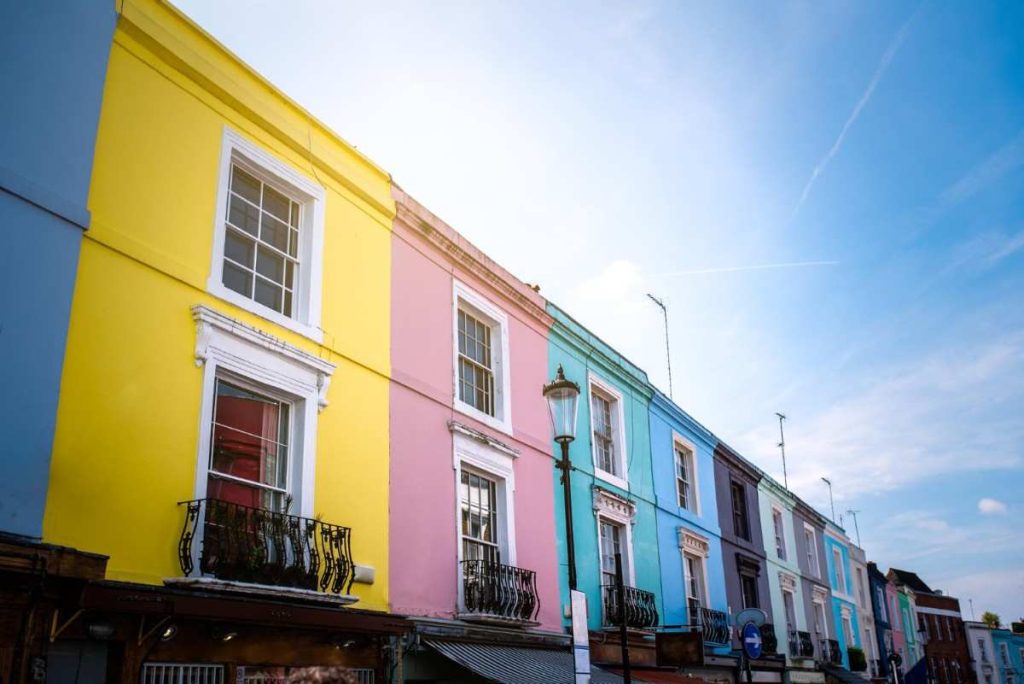
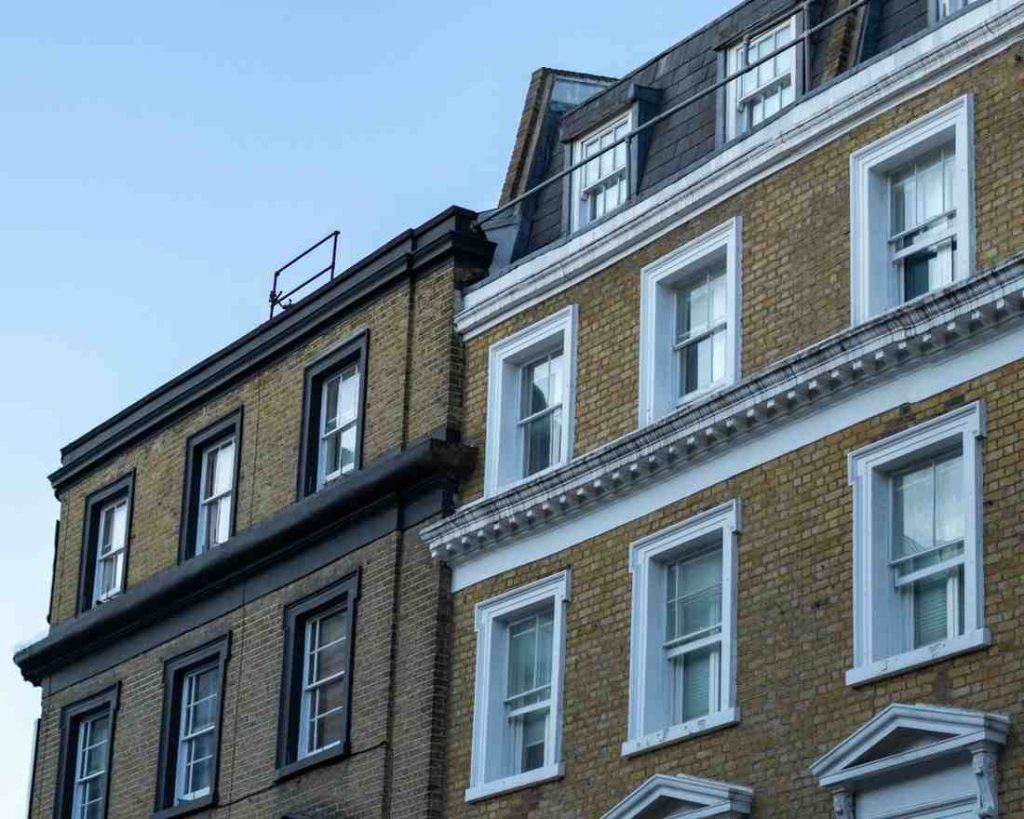
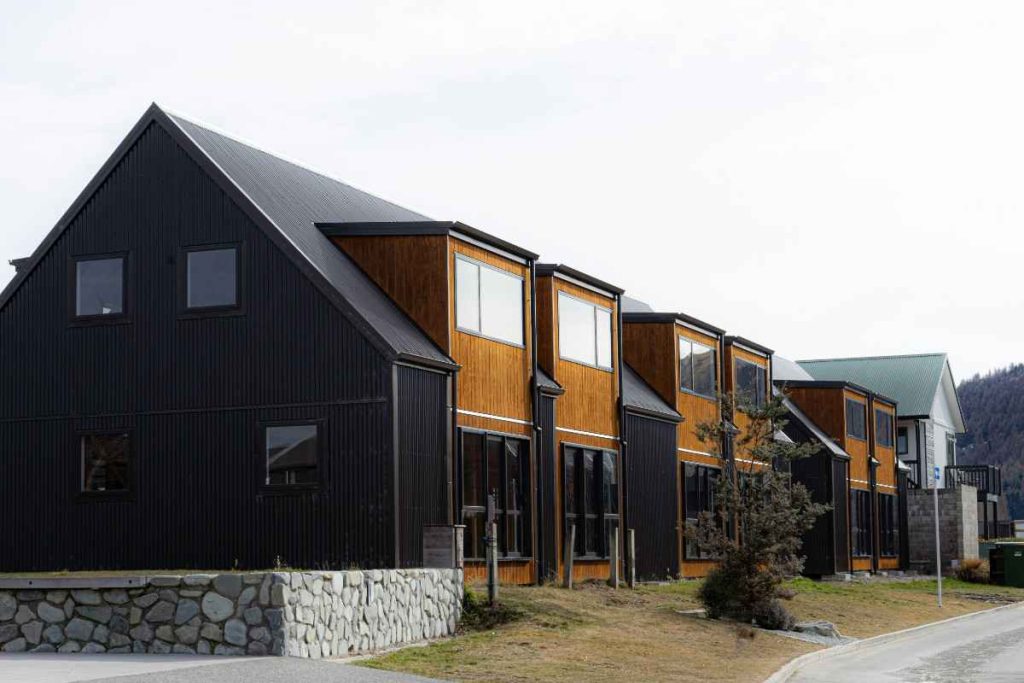
A townhouse is a type of multi-storied home that shares one or both side walls with nearby houses. It has its own private entrance that usually opens to the street. Each town home is a standalone unit with a clear layout and feel, and typically has two to four floors. The townhouse meaning implies a blend of private living with a community feel. Unlike apartments, where one unit is stacked above the other, townhomes are usually built in a row.
The houses in a row may have similar architectural styles. However, modern ones offer varied frontage to create visual appeal. This housing option offers a middle ground between a villa and an apartment. You get the comfort, space and privacy of a flat but with lower cost and upkeep than a villa or standalone house.
Besides, you can enjoy a community feel similar to apartment living. Townhomes often include small yards, balconies, terraces and community-managed outdoor areas. Wondering what is a townhouse good for? It serves as:
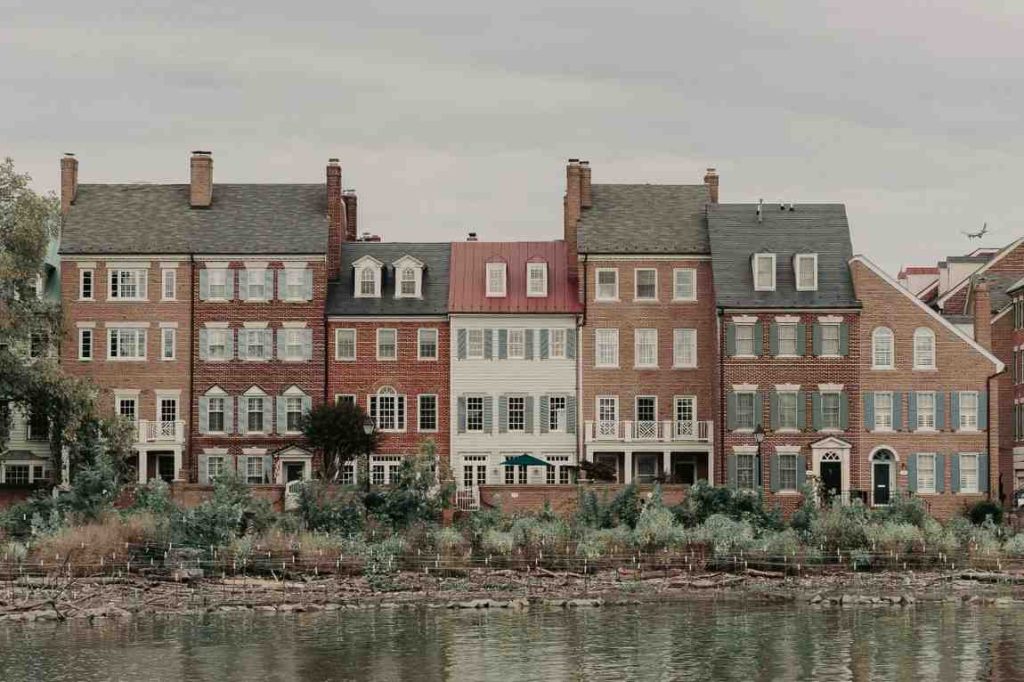
Several features set a townhouse apart from other housing options. Most townhouses are part of a townhouse complex, where units in a row may be identical in design. Town homes help you optimise land use, without edging out privacy, comfort and amenities for modern living. Below are the key features that define how these houses are built and managed.
Townhomes share at least one or both side walls with neighbouring units. Such a design helps save space and building costs. It also helps reduce heat loss and noise from the outside.
Town homes typically have multiple floors, two to four and sometimes even more. While bedrooms often make up the upper floors for better privacy, living areas are usually on the ground floor.
While they share walls with adjacent houses, each town home has its own separate entrance or front door. It may open up directly to the street or a small front garden. Moreover, there are no shared hallways or lifts. This adds to the feel of an independent home and ensures privacy.
Does a townhome offer outdoor space? Yes, but compact compared to villas. Most townhomes have balconies, patios and terraces, apart from a community-managed outdoor area. Though smaller than the yards of a standalone home, these outdoor spaces are easy to use and maintain.
You own the full unit and often the part of the land it is built on. Unlike apartments, where the land is shared, ownership of townhomes usually comprises the home as well as the piece of land it sits on. However, ownership rules may vary by location and the project.
It is mandatory for a townhouse complex to have a homeowners’ association (HOA). This organisation manages the shared areas and services, such as outdoor spaces, parks, swimming pools and landscaping. It is also responsible to outline and enforcing rules for property appearance and behaviour and ensuring community standards. Homeowners pay a regular fee for maintenance and upkeep of common areas and amenities.
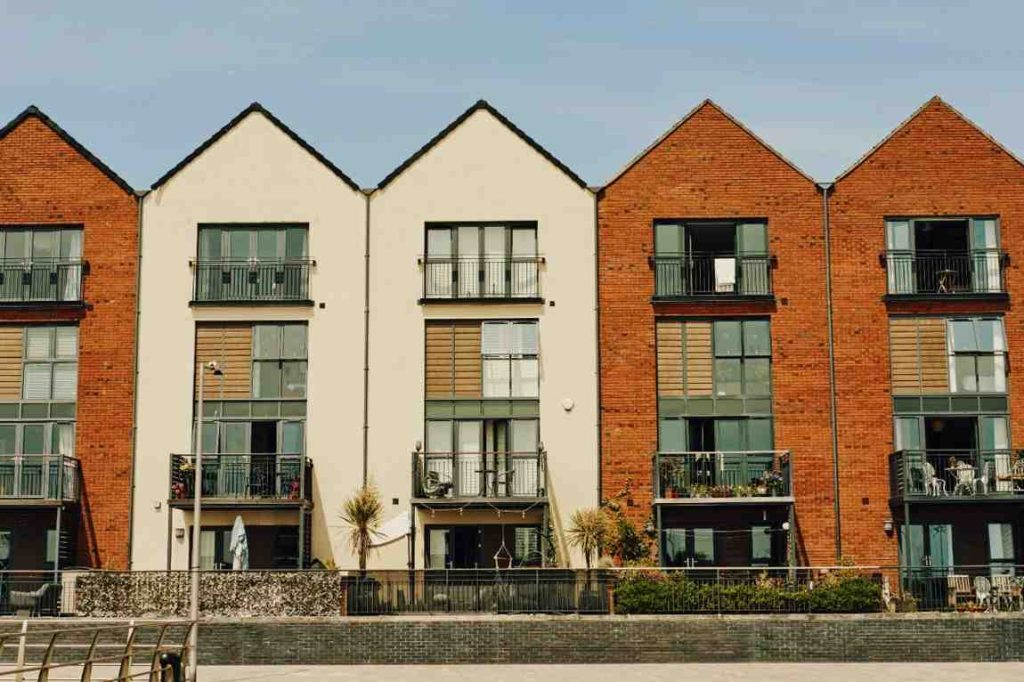
When it comes to choosing a home, the diversity of options can be overwhelming. Apartments, villas, condos, row houses, townhouses—there’s a lot to choose from. Many options may look familiar at first. But they may have minute differences that can impact your comfort and how well they align with your lifestyle, budget and other preferences. Choosing what’s best for you can be tricky! Therefore, it’s important to understand your preferences, considering the following factors:
To help you decide wisely, below is a comparison of townhomes with other housing options. Keep reading to discover the key differences in layout, ownership, cost, and lifestyle.
A condo or condominium is a unit within a large building complex or community. It may have areas like corridors, lifts and gardens that you share with other residents. When considering a condominium vs townhouse, the key difference lies in their ownership, structure, lifestyle and maintenance.
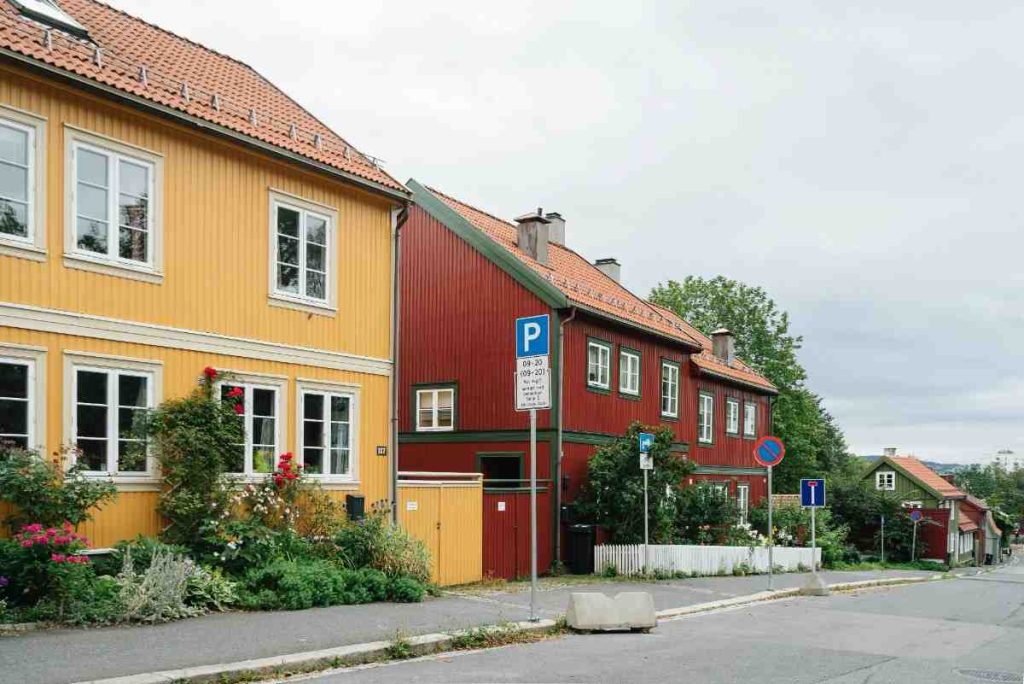
A single-family home is a detached structure, unlike a townhouse. It offers maximum privacy, space and freedom of design and renovation. The key differences between a townhouse vs house include:
Apartments and townhouses may look similar at a glance, but they’re not. Understanding their differences is essential, especially when you explore city or suburban living options. Apartments are single-level homes, stacked one above the other, inside a large building. They share amenities and areas like pools, lifts, gym, entrances, parking areas and corridors.
Apartments are common in urban and suburban areas. Below aspects differentiate a townhouse vs apartment housing option:
A villa is a large, standalone and fully detached home residing on its own land. Villas are the epitome of privacy, spaciousness and luxury. They often have private pools, gardens, wine cellars, yards or open outdoor areas. Comparing townhouse vs villa helps buyers choose between comfort and cost. Their key differences are:
Many people use the terms ‘rowhouse’ and ‘townhouse‘ interchangeably. Rowhouses are single-unit homes built side-by-side in a row along a street. These homes share side walls and rooflines and are often identical. Both rowhouses and townhomes have private entrances and offer a blend of privacy and community living.
But despite similarities, minute differences exist. Here’s what differentiates a townhouse vs rowhouse:
Bonus Read: Row House vs Villa: Know the Difference
Understanding the pros and cons of townhouse living is important before you choose it for a living. A townhouse offers a mix of privacy, space and community living. But like many other housing options, it may suit some people while not others. Below are the advantages and disadvantages of townhouses you should know in order to make a smart choice.

There are many benefits of a townhouse living, especially if you’re seeking a balance between comfort and cost in a city. The following townhouse advantages make it a popular choice for small families and working couples in urban and suburban areas:
Beyond the perks, townhomes bring their own set of challenges for a homebuyer. Here are some drawbacks you cannot skip considering:
Townhomes are gaining traction as a popular housing option in India. The demand for integrated and self-sufficient living is soaring! Homebuyers look for accessibility, connectivity, security and modern amenities. Townhomes appeal to nuclear families and working professionals who prioritise comfortable, secure living in an urban setting at a low cost. Here’s what makes town homes popular:
In India, town homes are mostly a part of gated communities or integrated townships. You can find them in the following cities:
Deciding whether a townhouse is the best for you depends on your preferences and lifestyle. The advantages of living in a townhouse make it perfect for affordable urban living. But it may not appeal to everyone alike. Therefore, considering your priorities is key. Here’s a checklist you can use:
In summary, townhouses are multi-floor homes built side-by-side in a row with shared walls. A townhouse is a smart choice to live in a densely populated area with privacy, space and community feel. They are ideal for small families, working professionals and offer a great option to invest in an urban property. Consider your preference to choose the right kind of housing to set up your dream home!
Curious to explore more housing options in rural, suburban or urban settings? Why not do it with the best? Confident Group is at your service to help you spot the best property that matches your aspirations, be it investment or refined living. Our promise is a tale of decades of excellence and unmatched quality in delivering world-class real estate assets.
1. What is defined as a townhouse?
A townhouse is a multi-storied home that shares one or more walls with adjacent houses in a row. It has its own private entrance and small, shared outdoor spaces.
2. Who lives in a townhouse?
Townhouses are typically occupied by small families, working professionals, or anyone seeking low-cost urban or suburban living.
3. What is another name for a townhouse?
A townhouse is also called a town home or townhome.
4. Can you hear through walls in a townhouse?
Yes, you may hear some noise from adjacent units because of the shared walls.
5. Do townhouse owners own the land?
Yes, townhome owners usually own the home and the land it sits on.

Buying an office space or apartment in a new building is truly exciting. However, it is vital to ensure the paperwork is proper. One of the key documents concerning a newly constructed build...
In real estate, we often use the word far to describe the distance of our property from a landmark. However, if you're someone planning to buy a piece of land and have a building constructed...



Comments