

A Completion Certificate is an official document issued by the local municipal authority. It confirms that a building is constructed as per the approved building plan, local rules and standards. Also called a certificate of completion, it proves that the project conforms to safety rules and building laws. In other words, CC in real estate terms proves that the property has been built legally.
You may wonder, “What is Completion Certificate in real estate meant for?” Without CC, a building is treated as non-compliant or unauthorised by the local body. The authorities inspect the height, layout, structure, basic services and safety. If the construction matches the approved plan and layout, they issue the Completion Certificate. As per the RERA Act, 2016, a project is considered completed only when it receives a CC from the competent authority.
Thus, even if a building is physically complete, a Completion Certificate is crucial for authorising it for legal handover, registration or sale. Therefore, CC is important for both builders and buyers.
A Completion Certificate proves that a building follows a plan and layout approved by the authority. Moreover, it ensures that the construction aligns with the safety standards and local regulations. As the CC full form in property construction implies legal completion, this document is essential. Without a CC, the building is legally incomplete or unapproved. As such, a CC protects both buyer and builder from legal problems in the future.
Besides offering value, protecting a buyer’s interest is important in real estate dealings. Preventing legal disputes with the local authorities and ensuring safety are essential de facto. Moreover, a buyer can opt for financial aid only for a property that is legally approved. As such, the CC real estate property buyers consider helps protect their interest in the following ways:
Developers rely on CC in real estate to ensure legal completion and authorisation of a project or building. It helps avoid conflicts and penalties later. Moreover, it also allows for worry-free handover to the buyers. CC is important for real estate developers, as it:
A real estate project can be residential, commercial or mixed. Getting the Completion Certificate follows a step-by-step process. Firstly, the builder should complete the project as per the approved plan. Secondly, they should gather the necessary documents. Thirdly, the local authorities inspect the building. If the construction has followed the approved plan and regulations, they issue the CC. Let’s take a closer look at the steps involved.
The builder should construct the building as per the approved plan. It takes into account the structure, layout, basic services and safety. Before the project commences, the builder would plan them all in drawings. They seek sanction or approval from the local authorities. Then, the construction work should take place in accordance with these plans or drawings. Any major deviation can delay the process.
Next, the builder submits an application to the local municipal authority. For the authorities to verify the building and issue the CC real estate assets should have, the builder must submit a set of key documents. They may vary based on city and state rules. However, they typically include:
Next, the local authority inspects the construction. They check the height, layout, setbacks, norms, safety and basic services. Then, they verify whether the construction matches the approved plan. If major violations or deviations are found, the authority issues a notice.
If the project or the construction complies with the approved plan, rules and local regulations, the authorities issue the Completion Certificate. Then, the project becomes legally complete and compliant. Thereafter, the builder can proceed with legal handover or sale and related formalities.
To get a Completion Certificate, the builder must submit some documents to the local authority along with the application. These documents prove that the construction follows the local rules and the approved plan. The local authority reviews these documents before inspecting the site and issuing the CC real estate builders seek.
While the exact list of documents may vary based on state laws and city, it usually includes the following:
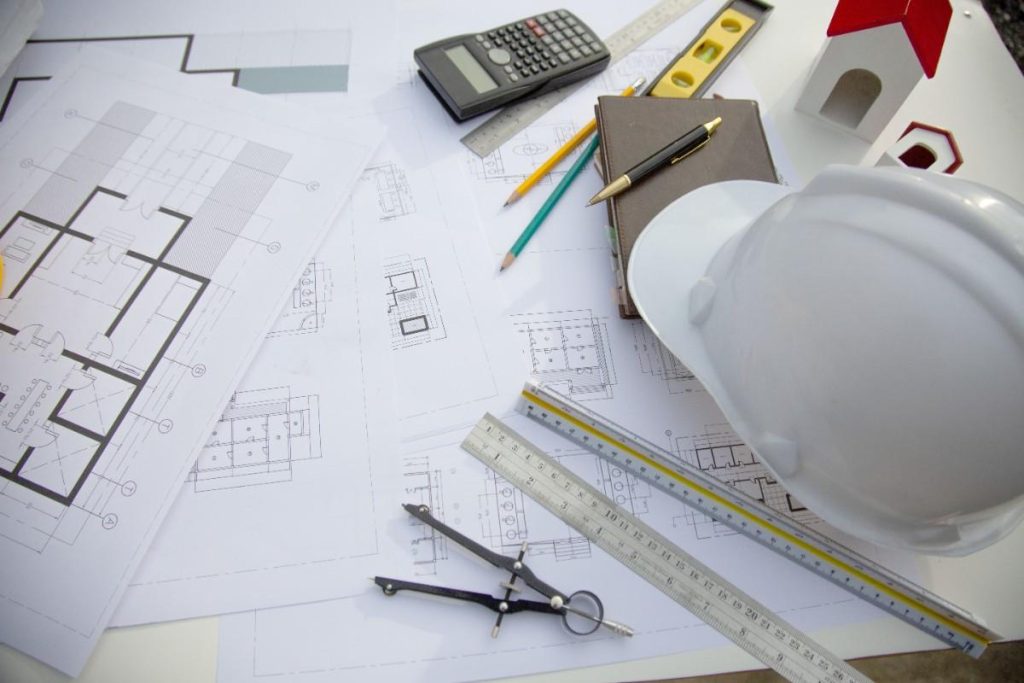
A property without the Completion Certificate can cause legal trouble on the go. Even if completed physically, a building without CC lacks legal approval and authorisation. This can affect the builder and both buyers. Here are the implications to watch out for:
You can check your CC real estate document status online through the local municipal authority’s official website. Most urban local bodies in India provide this service. You can find it under the building approval or the citizen service section. You will need basic property details to track the status. Here’s how:
A CC contains vital information about a real estate project and confirms its compliance. It certifies that the project follows the local rules and the approved building plan. The Completion Certificate format often varies by State or city. But most often, it includes the following details:
While CC is the Completion Certificate, OC stands for Occupancy Certificate. At first, one may easily confuse the use of OC and CC in real estate, as they sound similar. Both are important, but different and they serve distinct purposes. Here are the key differences:
Both CC and OC are vital for a real estate project to be legal, authorised and usable. A Completion Certificate certifies the compliance of the building with the plan and regulations. Whereas an Occupancy Certificate proves it is safe for use and ready for people to occupy.
Without a CC real estate authority certification, a project remains legally non-compliant and incomplete. Without OC, buyers cannot legally move in and get permanent utility connections. These factors also affect the builder’s reputation and the sales and handover of property. Therefore, both CC and OC are key to protecting the rights of both buyers and builders.
Read more: How to Check Occupancy Certificate Online
Delays in getting the CC often occur due to simple errors and deviations from the approved plans. For a smooth execution, here are the common mistakes to avoid:
Understanding CC real estate documentation is essential for buyers and realtors. A Completion Certificate legally proves compliance and completion of the project. Without CC, a project is incomplete and unauthorised as per the Indian RERA Act 2016.
Always check CC along with other documents to protect your investment and avoid legal implications later. Partner with a builder, such as the Confident Group, who has an excellent track record of compliance with local rules, RERA and building standards.
1. What is a CC in real estate?
A CC or Completion Certificate is a document issued by the local authority. It certifies and proves that the building is constructed as per the approved plan and local bylaws.
2. What comes first, CC or RERA?
RERA registration of the project comes first. Once the project is completed as per the approved plans, the builder applies for the CC with the local municipal authority.
3. How to check CC certificate?
Visit your local municipal authority’s website. Go to the Building Permission or Citizen Services portal and enter the application number and details to check the status. If approved, you’ll be able to download the CC.
4. Is CC mandatory for all properties?
CC is mandatory for most new real estate projects, whether residential, commercial or other. It proves the building is legally completed. Rules may vary for very old buildings.
5. How long does it take to get a CC certificate?
It usually takes a few weeks to a few months to get a CC. However, it may vary based on the city, inspections, and document approval.


In real estate, we often use the word far to describe the distance of our property from a landmark. However, if you're someone planning to buy a piece of land and have a building constructed...

Buying a new flat or apartment is a big life decision. Despite the excitement, many people feel perplexed about how to buy a flat without making mistakes. Legalities, property value growth a...


Comments